Spark Program | WarSpore · Saga

The CKB Eco Fund Spark Program is dedicated to supporting community developers and innovative projects. Following a thorough and constructive review process, we are pleased to announce that the grant application for WarSpore · Saga has been approved.

Project and Developer Information

  • Project Name: Full On-chain GameFi — WarSpore · Saga
  • Developer: LuLuCrash (@aric4791_ on Discord)
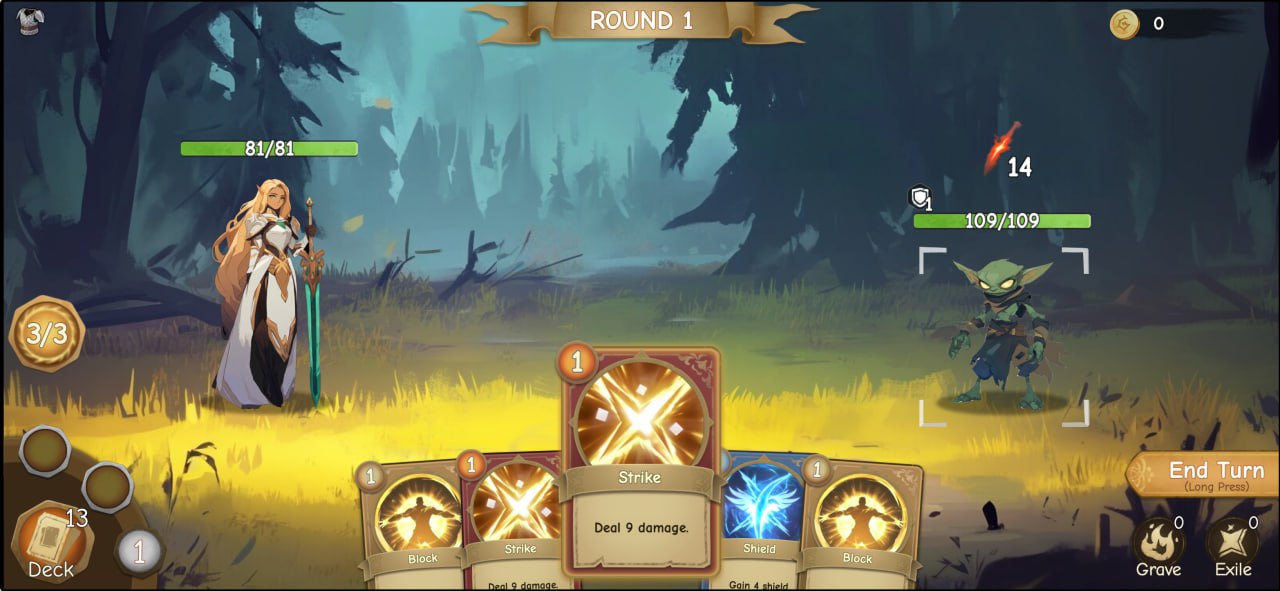
  • Project Description: WarSpore · Saga is a fully on-chain GameFi project designed to bring highly engaging gaming experiences to the CKB network. By deeply leveraging native CKB features such as the Spore Protocol, it explores innovative on-chain gaming economic models and community interaction mechanisms. This Spark Program grant will support the development of a testnet MVP with smooth core gameplay, laying the foundation for future technical expansion and community growth.
    Game Link: https://warspore-saga.xyz/

Spark Program Grant Decision and Rationale

The Spark Program committee has decided to award a grant equivalent to $2,000 USD (which amounts to 809717 CKB at 0.00247 CKB/USD), with the testnet MVP expected to be completed in approximately 8 weeks.

The main reasons for this decision are as follows:

  1. High Ecosystem Value: Fills a critical gap in high-playability consumer-grade on-chain games on CKB, showcasing the potential of Spore Protocol and core technologies while significantly boosting community engagement and user retention.
  2. Strong Early Progress: Impressive technical achievements and gameplay validation already demonstrated; application materials were detailed, logical, and highly professional.
  3. Developer Capability: Proactive communication throughout the review, strong alignment with open-source principles, community integration, and long-term vision.

Fund Management and Project Transparency

To ensure the openness and transparency of the Spark Program, all grant funds will be managed and disbursed through a dedicated multi-signature wallet.

  • Project Multi-sig Wallet Address: ckb1qrg6n7rh4mfltcruh8zjkcdtjmgx7fg2u6yre3ls5fprmvyhdlyzzq07kj0zcanlglgs6q0ahpu8r2pfgrllctqpgrjk8
  • Multi-sig Mechanism and Stewards: This wallet operates under a 2-of-3 multi-signature scheme and will be jointly managed by the following Spark committee members to ensure fund security and appropriate use: Devrel Lead Hanssen, Research Lead 舟舟, and Devrel member Yixiu.
  • Transparency of Disbursements: The initial disbursement of 161943 CKB (20% of the total grant) and all subsequent payments will be publicly announced with transaction hashes on the Spark Dashboard, the Nervos Talk forum, and relevant Discord community channels.
  • Communication Channel: The project’s application thread within the Spark Program channel on the Nervos Network Discord will serve as one of the primary public channels for communication and progress updates.

Project Support and Outlook

The Spark Program will provide weekly syncs, technical guidance, post-completion promotion, and assistance with future funding applications.

We are excited to see WarSpore · Saga deliver a smooth, fully on-chain gaming experience on testnet and become a flagship open-source example that highlights the unique power and boundless possibilities of CKB’s native protocols. Together, let’s witness WarSpore · Saga forge a new legend in the CKB ecosystem!

7 Likes

The first installment (20%) 161960 CKB

The second installment (30%) 242,940 CKB

2 Likes

Infrastructure is ready, but where are the apps? WarSpore · Saga is LuLuCrash’s answer. A fully on-chain game bridging CKB to the BTC ecosystem. Why he chose the hard path and his take on “Paper Wealth vs. Instant Settlement” in GameFi. A must-read for builders !
:backhand_index_pointing_down:

Web3 充斥着“纸面财富”,我们该如何构建一个像麻将一样“即时结算”的公平游戏?:mahjong_red_dragon:
WarSpore · Saga 不仅仅是 CKB 上的全链游戏,更是作者对 GameFi 本质的反思。
LuLuCrash 关于泡沫、全链挑战以及通往 BTC 生态之路的思考 !
:backhand_index_pointing_down:

5 Likes

Update:

2 Likes

The Third installment

242,940 CKB

https://explorer.nervos.org/en/transaction/0xdd3b6c2bd537fa0970a81720bd92c18f895e9a619262c5461a543a7cb7dcfbbd

2 Likes

Hi @Crybaby

感谢你在春节期间仍然投入精力完成了报告的修订。第二版相比第一版有明确的进步,我先说好的部分,再说需要继续打磨的地方。

进步的地方

报告定位从"社群营销工作报告"升级为"Spark 复盘报告",标题和结构都做了相应调整,营销工作被放进了整体项目回顾的框架中,这正是我们期望看到的。

用户画像是这一版最大的亮点。你选择从"现实主义 vs 理想主义"这个立场维度来切分用户,并逐一标注了 9 位关键用户的来源、活跃度和核心观点,这比第一版将 31 人作为一个笼统整体来处理要好得多。

链上数据的补充也很有价值。20 个地址、55 笔交易、平均 2.75 笔的统计,以及"大多数用户尝试一遍后便不再继续"这个发现,为报告引入了行为层面的事实基础。

需要继续改进的地方

第一,证据链仍然不够完整。 这是上一轮反馈的核心问题,第二版虽然加了"启发→推理→论证"的结构,但推理环节偏薄。以"强化 BTC 生态定位"为例,核心论据是一位用户说了一句"ckb都没人",然后直接跳到"全链叙事必定需要定位到BTC生态"。一位用户的一句话撑不起【必定】这个判断。你需要论证:是否有其他用户表达过类似或相反的观点?BTC社区对全链游戏的接受度你是否做过哪怕最粗浅的了解?CKB社区活跃度低是否等于CKB叙事本身无效?而论证部分写的"等上线后对比就知道了",严格来说这是一个待验证的假设,不是论证。PVP代币模型那条也类似,你自己写了"无法论证",这份坦诚值得肯定,但报告需要至少展示你做了什么思考来尝试验证(比如参考了哪些类似项目的代币模型表现),而不是直接放弃论证。

第二,用户画像的分析框架可以更贴近产品决策。 “现实主义 vs 理想主义"这个维度有趣,但它对你下一步该做什么的指导性不够强。知道一个用户是"现实主义”,并不能直接告诉你他会不会留存、会不会付费、会不会传播。上一轮反馈建议的"偏打金、偏技术、偏理念"的分层更贴近产品行为,建议你考虑补充这个视角。另外,9 位关键用户中有 3 位立场标注为"未知",样本本来就小,再去掉三分之一后,"2/3用户觉得社区应该更现实"这个结论的置信度不高,建议在报告中对这一点做明确标注,避免让读者把它当作一个确定性结论来理解。

第三,链上数据已经有了,但没有被充分利用。 你列了 5 个可能导致用户流失的原因,但没有做排除或优先级判断。比如,那个产生了 17 笔交易的地址,是不是你 TG 群里最活跃的某位用户?如果是,说明深度用户确实存在,问题可能在触达而不在产品本身;如果不是,说明有未被你社群捕获的活跃玩家,这对你的获客策略有直接意义。

把链上数据和用户画像做一次交叉分析,不需要新数据,只需要把已有信息关联起来,就能大幅提升报告的说服力,也能提供产品接下来迭代的重要洞见。

第四,HCI/用户研究方法论这条基本没有体现。 上一轮反馈建议调研相关 HCI 框架,第二版里几乎没有回应。验证计划也只覆盖了多语言这一个决策点(增加 Log/Statistic 服务器),BTC 定位和 PVP 代币模型的验证方案是空白的。这部分不需要你做学术级别的研究,但至少请说明你打算用什么方式来判断这些调整是否有效。

建议的优先级

如果精力有限,我建议你优先做一件事:把链上数据和用户画像做交叉分析。 这是投入产出比最高的改动,因为数据已经在手里,只需要做关联和解读。其次是补充三个关键决策的证据链,哪怕写清楚"目前无法验证,计划通过XX方式在XX阶段验证",也比"无法论证"或"等上线后就知道了"好得多。

期待你的迭代和成功!

第一版报告:https://www.notion.so/WarSpore-Saga-2f6c0b9c98708025a4c1e0a6fd3cb0be

第一版反馈:Discord

第二版报告:https://www.notion.so/WarSpore-Saga-Spark-309c0b9c98708043bbfac5df3616f434


Hi @Crybaby

Thank you for putting in the effort to revise the report during the Chinese New Year holiday. The second version shows clear improvement over the first. Let me address what works well, then what still needs work.

What improved

The report repositioning from “community marketing work report” to “Spark review report” is exactly what we wanted. The title, structure, and framing all reflect this shift, with marketing work placed as one section within the broader project review.

User profiling is the biggest highlight of this version. You chose to segment users along a “realism vs. idealism” axis and annotated each of the 9 key users with their source, activity level, and core viewpoint. This is a significant step up from the first version, which treated all 31 members as an undifferentiated group.

The addition of on-chain data is also valuable. The statistics of 20 addresses, 55 transactions, and an average of 2.75 transactions per address, along with the finding that most users did not return after their first attempt, bring a behavioral evidence layer into the report.

What still needs improvement

First, the evidence chain remains incomplete. This was the core issue from the previous round. The second version adds an “Inspiration → Reasoning → Validation” structure, but the reasoning step is thin. Take the “BTC ecosystem positioning” decision: the primary evidence is one user saying “ckb has no one.” That single remark cannot support the word “must” in your conclusion that the narrative “must” be oriented toward BTC. You need to address: did other users express similar or opposing views? Did you do even a cursory investigation into BTC community receptivity to fully on-chain games? Does low CKB community activity necessarily mean the CKB narrative itself is invalid? The validation section stating “we’ll know after mainnet launch by comparing” is a hypothesis to be tested, not a validation. The PVP token model section is similar. Your honesty in writing “cannot be validated” is appreciated, but the report should at least show what thinking you did to attempt validation (e.g., referencing token model outcomes from comparable projects), rather than stopping at the impossibility.

Second, the user profiling framework could be more actionable for product decisions. “Realism vs. idealism” is an interesting lens, but it doesn’t directly inform what you should do next. Knowing a user is a “realist” doesn’t tell you whether they will retain, pay, or refer others. The previous feedback suggested segmenting by “earning-oriented, tech-oriented, ideology-oriented,” which maps more directly to product behavior. Consider supplementing with that perspective. Also, 3 out of 9 key users are marked “unknown” in stance. With an already small sample, removing a third of it makes the conclusion “2/3 of users think the community should be more realistic” low-confidence. Flag this explicitly in the report so readers don’t treat it as a definitive finding.

Third, on-chain data is present but underutilized. You listed 5 possible reasons for user drop-off but did not prioritize or eliminate any. For instance, the address with 17 transactions: is it one of your most active TG group members? If yes, it suggests deep users exist and the problem may be reach rather than product quality. If no, it means there are active players outside your community channels, which has direct implications for your acquisition strategy. Cross-referencing on-chain data with user profiles requires no new data collection, just connecting what you already have, and would substantially strengthen the report’s persuasiveness, together with insights beneficial for your project evolution.

Fourth, HCI/user research methodology is essentially absent. The previous feedback suggested researching HCI frameworks. The second version barely addresses this. The validation plan only covers the multilingual decision (adding a Log/Statistic server). BTC positioning and PVP token model validation plans are blank. This doesn’t need to be academic-grade research, but you should at least articulate how you intend to determine whether these adjustments are effective.

Suggested priorities

If energy is limited, I recommend one thing above all: cross-analyze your on-chain data with your user profiles. This has the highest return on effort because the data is already in your hands; it just needs to be connected and interpreted. Second priority: strengthen the evidence chain for the three key decisions. Even writing “currently unvalidatable; plan to verify via XX method during XX phase” is significantly better than “cannot be validated” or “we’ll know after launch.”

Looking forward to your iterations and success!

Version 1: https://www.notion.so/WarSpore-Saga-2f6c0b9c98708025a4c1e0a6fd3cb0be

Version 1 feedback:Discord

Version 2: https://www.notion.so/WarSpore-Saga-Spark-309c0b9c98708043bbfac5df3616f434

Best,
Hongzhou
On Behalf of the Spark Committee

1 Like

感谢对报告审阅并提出新的建议,由于我从未做过相关工作,所以目前这份报告已经基本达到了我的能力上限,目前我能就 “改进的地方” 给出的反馈如下:

  1. 证据链不够完整:因为 Telegram 群和 Nervos Talk 论坛都缺乏充分讨论,所以推论结果很大程度上存在 “假设” 和 “尝试” 的成分,无法达到你们想要的理想当中的证据链推论的效果
  2. 用户画像需贴近产品决策:由于没有条件做充分的用户调研,所以所谓的用户画像本质上是基于用户的讨论和回复内容来揣摩他们背后的观点和立场,强行引入更多的分类不见得是一件有实际意义的事情,不过可以去尝试
  3. 链上数据交叉验证:在做到交叉验证之前,首先需要用户能有意愿对自己所用的地址做出辨认,我只能在 Telegram 群中进行询问,如果无法得到有效回复,那这项工作便无法开展
  4. 需体现用户研究方法论:对于 BTC 定位和 PVP 代币模型的验证无法做到在技术级别上的验证,更多的还是理论上的猜想

基于目前讨论度严重不足的现实情况,我只能尽可能地往前推进报告的完整度,但我无法保证最终的成效能达到你们当前的要求。

3 Likes

Hi @Crybaby,

感谢你的坦诚回复。你提到的四点困难都是真实的客观限制,委员会完全理解。

委员会接受当前版本作为该交付物的最终版。 从第一版的营销活动总结,到第二版引入用户画像和链上数据的阶段性复盘,这个推进幅度在 Spark 项目中已经很扎实了。我们会将这份报告连同其他交付物一并进入最终 Review 流程,并尽快回复结项决议。

关于你提到的那些存在挑战的部分,我们不会将其视为项目本身的不足,而是会转化为 Spark 计划自身的经验沉淀。比如,这次经验让我们意识到,对于 solo developer 项目,Spark 应该在立项阶段就建议开发者提前埋点做基础的数据采集。这类反思会写入我们对这个项目的结项总结中,帮助未来的 Spark 项目少走弯路。


Hi @Crybaby,

Thank you for the candid response. The four constraints you raised are genuine objective limitations, and the committee fully understands.

The committee has accepted the current version as the final deliverable for this item. Going from the first version’s marketing activity summary to a stage-level review incorporating user profiles and on-chain data is solid progress for a Spark project. We will review this report alongside your other deliverables in the final evaluation, and get back to you with the closing decision as soon as possible.

Regarding the parts you identified as beyond your current capacity, we will not treat them as the project shortcoming. Instead, we will turn them into lessons learned for the Spark program itself. For example, this experience has shown us that for solo developer projects, Spark should recommend setting up basic data collection and analytics at the project kickoff stage. Improvements like this will be documented in our review summary for this project, so future Spark participants can benefit.

Best,
Hongzhou
On Behalf of the Spark Committee

7 Likes

Hi @Crybaby,

The Spark Committee has approved the project for completion. The final payment will be processed shortly.

Before we finalize everything, we need you to complete the following:

1. Anonymize the review report. Unlike projects that use pre-agreed invited testing (such as Blackbox), your report draws on data from users’ normal participation and discussion. Out of respect for their privacy, please replace all identifiable usernames in the report with anonymized labels (e.g., User A, User B). This applies to both the user profile section and any direct quotes throughout the report.

2. Compile a deliverable summary. Please put together a single document or Notion page that lists all deliverables produced during the Spark period, with corresponding links. This includes the card icons, DOB decoder, Telegram bot, the 6 Nervos Talk articles, the review report, and any other outputs. This summary will serve as the reference for the public closure announcement.

**3. Coordinate the GitHub fork with @xingtianchunyan ** Please confirm with Xingtian that your repository is ready for the final fork into the Spark Program organization.

Once these are done, we will publish the closure announcement and process the remaining funds.


Spark 委员会已同意项目结项,结项款将在近期打出。

在最终结项之前,需要您完成以下几件事:

1. 对复盘报告做匿名化处理。 与 Blackbox 等提前约定好的邀请测试不同,您的报告中涉及的用户数据来自大家正常参与和讨论过程中产生的内容。出于对用户隐私的尊重,请将报告中所有可识别的用户名替换为匿名标签(如 User A、User B 等),包括用户画像部分和报告中引用的所有直接发言。

2. 汇总项目交付内容。 请整理一份交付物清单(可以是一个 Notion 页面或单独文档),列出 Spark 期间产出的所有交付物及对应链接,包括卡牌图标、DOB decoder、Telegram bot、6 篇 Nervos Talk 文章、复盘报告等。这份清单将作为公开结项公告的参考依据。

3. 与 @xingtianchunyan 对接 GitHub 仓库的 fork。 请和 Xingtian 确认你的仓库已准备好,以便我们完成最终的 fork 到 Spark Program 组织。

以上完成后,我们将发布结项公告并打出剩余款项。

Best,
Hongzhou
On Behalf of the Spark Committee

5 Likes

I really appreciate the completion decision from the committee on project WarSpore · Saga, these items in the finalizing list will be done shortly, I’ll inform you once I finished.

4 Likes

Hi @zz_tovarishch ,

Here’s my deliverable summary in Notion: Notion , and here’s my project Github repo: GitHub - ashuralyk/Spark-Program-WarSporeSaga

For marketing report, I’ve anonymized all users for privacy concern, and I hope @xingtianchunyan could take your precious time to review my project repo and fork it if it passed the qualification.

Any changes should I make are open to discuss here.

Best,
Crybaby

5 Likes

Completion Report: What Building a Fully On-Chain Game on CKB Actually Looks Like 结项报告:在 CKB 上做全链游戏,实际走下来是什么样的

1 结项评价 / Final Evaluation

完成日期 / Completion Date: 2026-02-28

评价摘要 / Evaluation Summary:

WarSpore · Saga 在星火计划资助周期内完成了测试网 MVP 开发与初步社区验证。开发者 LuLuCrash 在八周内保持稳定交付,通过 Telegram 群和 Nervos Talk 论坛收集社区反馈,并据此完成了三项关键设计迭代。项目围绕 Spore 协议探索了全链卡牌游戏的资产机制与玩法循环,为 CKB 生态积累了一组链上游戏方向的实践样本。

Under the Spark Program grant, WarSpore · Saga completed testnet MVP development and initial community validation within the funding cycle. The developer, LuLuCrash, maintained steady delivery across eight weeks, collecting community feedback through a Telegram group and the Nervos Talk forum, and completing three major design iterations accordingly. The project explored on-chain asset mechanics and gameplay loops for a fully on-chain card game using the Spore Protocol, producing a set of practical references for on-chain gaming within the CKB ecosystem.

主要成果 / Key Achievements:

技术交付方面,项目完成了可公开体验的测试网版本,覆盖 PVE 核心玩法、基于 Spore 协议的链上资产与互动机制、150+ 张卡牌设计、DOB decoder 合约及 SVG 渲染 API。链上数据显示 20 个 JoyID 地址产生 55 笔交易,初步验证了 MVP 的可玩性。

社区验证方面,项目创建并运营 Telegram 群(31 名成员),在 Nervos Talk 发布 6 篇核心文档,收集约 10-15 条可执行反馈,并据此完成三项关键迭代:强化 BTC 生态定位、引入游戏化 OTC 的 PVP 代币模型、新增多语言支持。

知识沉淀方面,开发者提交了复盘报告,包含用户画像分层、链上行为统计及核心挑战分析。

On the technical side, the project delivered a public testnet build covering PVE core gameplay, on-chain asset and interaction mechanisms based on the Spore Protocol, 150+ card designs, a DOB decoder contract, and an SVG rendering API. On-chain data shows 20 JoyID addresses generating 55 transactions, providing initial validation of MVP playability.

On community validation, the project created and operated a Telegram group (31 members), published 6 core posts on the Nervos Talk forum, collected approximately 10-15 actionable pieces of feedback, and implemented three key iterations: strengthened BTC ecosystem positioning, introduced a gamified OTC PVP token model, and added multi-language support.

On knowledge output, the developer submitted a post-mortem report containing segmented user profiles, on-chain behavioral statistics, and an analysis of core challenges.

创新点与价值 / Innovation & Value:

项目的核心价值在于两点。第一,它在 CKB 上完成了一个可运行的全链 GameFi 原型,利用 Spore 协议将链上资产与卡牌玩法结合,证明了技术路径的可行性。第二,它在代币模型迭代中产出了一个有意思的设计思路:游戏化 OTC 机制将代币交易嵌入 PVP 对局本身,试图将代币价格波动转化为玩法张力,而非让它成为外部干扰。这个设计是否有效仍待验证,但作为思路探索,对同类项目有参考价值。

The project’s core value lies in two areas. First, it delivered a working fully on-chain GameFi prototype on CKB, combining on-chain assets with card gameplay via the Spore Protocol and proving the technical path is viable. Second, its token model iteration produced an interesting design idea: the gamified OTC mechanism embeds token trading into PVP matches themselves, attempting to turn token price volatility into gameplay tension rather than external noise. Whether this design works remains to be validated, but as a conceptual exploration, it offers reference value for similar projects.

2 评审过程 / Review Process

项目的评审重点集中在社区验证阶段。围绕三个核心议题,委员会与开发者进行了多轮反馈:产品定位(从 CKB 叙事转向 BTC 生态叙事的合理性)、PVP 代币模型(无限发行引发的社区分歧及 OTC 机制的引入)、以及报告质量(从营销活动总结升级为阶段性复盘报告)。

开发者的复盘报告经历了两个版本的迭代。第一版是营销活动总结,第二版引入了用户画像分层和链上数据分析。委员会对证据链完整度、用户分析框架的产品指导性、链上数据与用户画像的交叉分析等方面提出了进一步改进建议。开发者坦诚反馈当前条件下已达能力上限,委员会综合评估后决定接受第二版作为最终交付。

The review focused on the community validation phase. The committee and developer exchanged multiple rounds of feedback across three core topics: product positioning (the rationale for shifting from a CKB narrative to a BTC ecosystem narrative), the PVP token model (community divergence over unlimited issuance and the introduction of OTC mechanics), and report quality (upgrading from a marketing activity summary to a stage-level post-mortem).

The developer’s post-mortem went through two iterations. The first version was a marketing summary; the second introduced segmented user profiles and on-chain data analysis. The committee suggested further improvements on evidence chain completeness, actionability of the user segmentation framework, and cross-referencing on-chain data with user profiles. The developer candidly noted that these improvements exceeded current capacity given the project’s constraints. The committee accepted the second version as the final deliverable after weighing the project’s scope and resources.

3 资金发放详情 / Funding Details

项目总资金 809,800 CKB(等值 $2,000 USD),100% 以 CKB 形式发放。

Total grant: 809,800 CKB (equivalent to $2,000 USD), 100% disbursed in CKB.

发放 / Installment 比例 / % 金额 / Amount 交易哈希 / Tx Hash
第一次 / 1st (启动) 20% 161,960 CKB 0x8575de5e820ff57496f38228130060fcd2d7a41a975b016720e8ffb8458d8c62
第二次 / 2nd (技术交付) 30% 242,940 CKB 0xdbd2e18f1105e7f281fa28752fd175d44230d9453f87f285c085a3989d159793
第三次 / 3rd (文档交付) 30% 242,940 CKB 0xdd3b6c2bd537fa0970a81720bd92c18f895e9a619262c5461a543a7cb7dcfbbd
第四次 / 4th (结项) 20% 161,960 CKB 0x2657f204cadd1c4f55e71bb816a4d8a9bed2a1365eacb2198d8e6a486b3d38b4

4 星火计划委员会复盘 / Spark Committee Reflection

本项目属于 Spark 最高资助档位($2,000),结项总结因此需要沉淀对 Spark 流程的可复用经验,而不仅仅是确认交付完成。以下是委员会从这个项目中提取的三条核心经验。

This project sits at Spark’s maximum funding tier ($2,000). The closure summary therefore should distill reusable process learnings for Spark, not merely confirm deliverable completion. Below are three core lessons the committee extracted from this project.

经验一:Solo developer 项目应在立项阶段就规划数据采集。 本项目在结项阶段才发现缺少行为数据来支撑交叉分析,导致多个关键判断只能依赖社群讨论和主观推断。如果在立项时就建议开发者埋入最基础的数据采集(进入次数、核心循环完成率、重复游玩比例),结项时就能用数据排序迭代优先级,而不是停留在"等上线后对比就知道"。这条经验的本质是:Spark 对 solo developer 的扶持应偏向软件工程化,把数据采集作为立项 checklist 的一部分。

Lesson 1: Solo developer projects should plan data collection at project start. This project discovered the absence of behavioral data only at closure, leaving multiple key decisions dependent on community discussion and subjective inference. Had basic instrumentation been set up at kickoff (entry counts, core loop completion rate, repeat play rate), the closure report could have used data to prioritize iterations rather than deferring validation to post-launch. The takeaway: Spark’s support for solo developers should lean toward software engineering practices, making data collection part of the kickoff checklist.

经验二:报告的定位决定其价值上限。 本项目的复盘从"营销活动总结"推进为"阶段性复盘报告"后,才开始具备对社区可复用的知识价值。委员会建议未来类似项目直接以"阶段性复盘"定位报告,将营销工作视为其中一个章节而非全部。

Lesson 2: The framing of a report defines its value ceiling. This project’s post-mortem gained significantly more reusable value once it evolved from a “marketing campaign summary” to a “stage post-mortem.” The committee recommends that future projects frame their reports as stage post-mortems from the start, treating marketing as one chapter rather than the whole.

经验三:对 micro-grant 项目的用户研究期望需要匹配资源。 委员会在评审中提出了证据链完整度、交叉分析、HCI 方法论等方向,这些建议本身是正确的,但对于一个预算 $600 营销部分、无用研经验的 solo developer 来说,部分要求超出了合理期望。未来 Spark 应在立项阶段就明确不同资助档位对应的报告深度期望,避免结项时的期望错配。

Lesson 3: User research expectations for micro-grants must match available resources. The committee’s review raised valid directions (evidence chains, cross-analysis, HCI methodology), but some exceeded reasonable expectations for a solo developer with a $600 marketing budget and no prior research experience. Going forward, Spark should clarify expected report depth for each funding tier at project start, avoiding expectation mismatches at closure.

5 星火计划委员会洞见 / Spark Committee Insights

引言:这一节要回答什么 / What this section addresses

开发者的复盘报告记录了 WarSpore 在 MVP 阶段遇到的核心挑战:社区规模小、用户留存低、代币模型存在分歧。这些是一手证据。委员会在此基础上,结合行业数据和生态趋势,尝试回答一个更高层面的问题:在 CKB 上做全链游戏,真正的瓶颈在哪里,优势路径是什么。

The developer’s post-mortem documented WarSpore’s core challenges at the MVP stage: small community, low retention, and token model disagreements. These are first-hand evidence. Building on this, the committee draws on industry data and ecosystem trends to address a higher-level question: where are the real bottlenecks and viable paths for building fully on-chain games on CKB.

5-1. WarSpore 的留存数据是行业常态,而非异常 / WarSpore’s retention figures are industry-normal, not anomalous

WarSpore 的 20 个地址中,大多数用户尝试一次后未再返回。开发者列举了五个可能原因但未做排序。放到行业背景下看,这个表现并不意外。

传统移动游戏 30 天留存率约 1.7%。区块链游戏同样面临留存困难:2025 年 Q3 全行业日活钱包约 466 万个,但头部产品 World of Dypians 靠的是每日签到和 quest 任务这类浅层链上互动来维持活跃数据,真正在游戏机制层面产生深度参与的用户远少于钱包数字所暗示的。

这意味着对 WarSpore 来说,问题的正确提法不是"为什么用户不回来",而是"什么类型的链上机制能制造足够强的回访动机"。这是下面第二点要讨论的。

Among WarSpore’s 20 addresses, most users tried the game once and did not return. The developer listed five possible reasons without prioritizing them. In industry context, this performance is unsurprising.

Traditional mobile games retain roughly 1.7% of users at Day 30. Blockchain gaming faces similar challenges: Q3 2025 industry-wide daily active wallets totaled approximately 4.66 million, but leading titles like World of Dypians maintain activity primarily through shallow on-chain interactions such as daily logins and quest check-ins. Genuine deep engagement at the gameplay-mechanic level is far lower than wallet counts suggest.

For WarSpore, this means the right question is not “why don’t users return” but “what kind of on-chain mechanism creates a strong enough reason to return.” That is what the next point addresses.

5-2. 成功的全链游戏靠"链上独有的张力"留住人,而非靠资产叙事 / Successful fully on-chain games retain players through on-chain-exclusive tension, not asset narratives

2025 年全链游戏领域最值得注意的信号来自 Starknet 生态。Loot Survivor 2 在约三个月内产生超过 40 万美元收入,玩家购买 Dungeon Ticket 后,80% 的支付自动用于链上回购 $SURVIVOR 代币并注入社区治理金库。这个机制之所以有效,是因为链上执行消除了信任问题:合约自动执行,没有人为裁量,没有承诺。另一个例子是 Kamigotchi,玩家派出角色去采集资源,收益随时间累积,但角色的 HP 同时持续下降。留还是走、赚还是赔,这个决策完全由玩家承担,而且不可逆。

Bankless 在 2025 年链上游戏年度回顾中提炼了一条观察:全链设计只有在它让原本不可能的游戏机制变得可能时,才值得追求。换句话说,"全链"本身不是卖点,"因为全链所以能玩出这种体验"才是

回到 WarSpore:它的游戏化 OTC 机制其实在尝试做类似的事。把代币交易嵌入对局,让胜负直接决定代币的"买卖",这是一种试图用链上执行创造不可逆经济张力的设计。方向是对的,但目前还停留在概念层面,缺少实际对局数据来验证这个张力是否足够驱动回访。

The most instructive signal in the 2025 fully on-chain gaming space came from the Starknet ecosystem. Loot Survivor 2 generated over $400,000 in revenue within roughly three months. When players purchase Dungeon Tickets, 80% of the payment is automatically used to buy back $SURVIVOR tokens on-chain and deposit them into a community-governed treasury. No discretion, no promises, just contracts executing. Another example is Kamigotchi: players send characters to harvest resources, and earnings accumulate over time while the character’s HP steadily drains. Stay or leave, earn or lose: the decision rests entirely with the player and is irreversible.

Bankless’s 2025 onchain gaming year-in-review distilled one observation: fully on-chain design is worth pursuing when it enables mechanics that would otherwise be impossible. In other words, “fully on-chain” itself is not the selling point; “this experience is only possible because it’s fully on-chain” is.

Returning to WarSpore: its gamified OTC mechanism is attempting something in this same design space. Embedding token trading into PVP matches so that wins and losses directly determine token “buying and selling” is a design that tries to create irreversible economic tension through on-chain execution. The direction is sound, but it currently remains at the conceptual level, lacking actual match data to verify whether this tension is strong enough to drive return visits.

5-3. 生态基础设施的差距比技术能力的差距更关键 / The ecosystem infrastructure gap matters more than the technology gap

WarSpore 的开发者一个人从零搭建了游戏合约、前端、DOB decoder、Telegram bot 和社区运营。在 Starknet 生态,同类工作有一套专门的基础设施支撑:Dojo 是开源的全链游戏引擎,处理索引、部署和合约架构;Cartridge 提供会话钱包和 arcade account(通过账户抽象实现的一次性游戏账户,玩家无需每次操作都签名);Realms 生态内多个游戏共享 $LORDS 代币和互操作资产。Cartridge 在 2025 年完成了 750 万美元融资。Ethereum Foundation 也开始直接支持链上游戏,赞助 Devconnect Gaming District 等活动。

CKB 具备做类似事情的技术条件。Spore 协议提供链上资产表达,CCC 降低钱包连接门槛,CKB-VM 的 RISC-V 架构提供工程灵活性,交易成本低。但 CKB 目前缺少游戏垂类的专用工具链:没有类似 Dojo 的游戏引擎,没有 session wallet 方案,没有跨游戏的共享资产层。WarSpore 的每一项基础工作都需要自己造轮子,这在 solo developer 的 micro-grant 约束下是极大的效率损耗。

2025 年行业数据显示,约 30% 的区块链游戏公司在年内调整了业务方向。存活下来的项目普遍具备两个特征:所在生态有专项支持(资金、工具、社区导流),以及游戏机制本身利用了链上执行的不可替代性。单纯的技术可行性不足以支撑一个链上游戏项目走到产品市场匹配。

WarSpore’s developer built game contracts, the frontend, a DOB decoder, a Telegram bot, and community operations from scratch, alone. In the Starknet ecosystem, comparable work is supported by dedicated infrastructure: Dojo is an open-source fully on-chain game engine handling indexing, deployment, and contract architecture; Cartridge provides session wallets and arcade accounts (disposable game accounts enabled by account abstraction, allowing players to act without signing each transaction); and multiple games within the Realms ecosystem share the $LORDS token and interoperable assets. Cartridge closed a $7.5 million funding round in 2025. The Ethereum Foundation also began directly supporting on-chain games, sponsoring events like the Devconnect Gaming District.

CKB has the technical conditions to do similar things. The Spore Protocol provides on-chain asset expression, CCC lowers wallet connection barriers, CKB-VM’s RISC-V architecture offers engineering flexibility, and transaction costs are low. But CKB currently lacks game-specific tooling: no equivalent to Dojo as a game engine, no session wallet solution, no cross-game shared asset layer. Every piece of foundational work in WarSpore required building from scratch, which is a significant efficiency drain under a solo developer micro-grant constraint.

2025 industry data shows approximately 30% of blockchain gaming companies changed their business direction within the year. Projects that survived generally shared two characteristics: their ecosystem provided dedicated support (funding, tooling, community traffic), and their game mechanics leveraged the irreplaceability of on-chain execution. Technical feasibility alone is not enough to carry an on-chain game project to product-market fit.

5-4. 对 CKB 上未来全链游戏项目的建议 / Recommendations for future fully on-chain game projects on CKB

基于 WarSpore 的一手经验和行业对照,委员会对未来在 CKB 上做全链游戏的项目有以下具体建议:

设计层面,优先找到"只有链上才能玩出来"的核心机制。资产上链只是起点,真正的竞争力在于不可逆的经济决策、可验证的随机性、无需信任的结算等只有链上执行才能保证的玩法元素。WarSpore 的 OTC 机制是一个值得继续探索的方向。

工程层面,如果 CKB 生态要认真发展链上游戏垂类,需要投入的不是更多单个游戏项目的 micro-grant,而是一套可复用的游戏基础设施。Session wallet、游戏状态索引、以及类似 Dojo 的合约框架,这些投入一次即可服务多个项目。

验证层面,在项目启动时就定义清楚:核心循环是什么、用什么指标衡量、怎么采集数据。把"待验证"写成"验证方案",而不是到结项时才发现数据缺失。

Based on WarSpore’s first-hand experience and industry benchmarks, the committee offers the following concrete recommendations for future fully on-chain game projects on CKB:

On design: prioritize finding a core mechanic that is only possible on-chain. Putting assets on-chain is the starting point, not the competitive advantage. The real edge lies in gameplay elements that require on-chain execution to function: irreversible economic decisions, verifiable randomness, trustless settlement. WarSpore’s OTC mechanism is a direction worth continued exploration.

On infrastructure: if the CKB ecosystem intends to seriously develop on-chain gaming as a vertical, the highest-leverage investment is not more micro-grants for individual games, but a set of reusable game infrastructure. Session wallets, game state indexers, and a contract framework analogous to Dojo are investments that serve multiple projects once built.

On validation: define at project start what the core loop is, which metrics measure it, and how to collect the data. Turn “to be validated” into “a validation plan,” rather than discovering data gaps at closure.

6 总结 / Conclusion

WarSpore · Saga 在星火计划资助周期内完成了承诺的核心交付,并在社区互动阶段表现出稳定的执行力和对反馈的积极响应。委员会对项目的技术交付质量和开发者的合作态度给予认可。

对 Spark 而言,这个项目的更大价值在于它提供了一个观察窗口:CKB 生态做全链游戏,技术上可行,但从可行到可持续,需要的不只是单个项目的努力,还需要生态层面在游戏基础设施和开发者支持上的投入。这个判断将纳入 Spark 2026 年的方向讨论。

WarSpore · Saga completed its committed core deliverables within the Spark funding cycle, demonstrating steady execution and responsive iteration during the community engagement phase. The committee recognizes the quality of technical delivery and the developer’s cooperative approach throughout.

For Spark, this project’s broader value lies in the observation window it provides: building fully on-chain games on CKB is technically feasible, but moving from feasible to sustainable requires more than individual project effort. It requires ecosystem-level investment in gaming infrastructure and developer support. This assessment will be factored into Spark’s 2026 direction discussions.

最终交付物链接 / Final Deliverable Links:

Zhouzhou
On behalf of the Spark Program Committee

cc @xingtianchunyan @Hanssen @yixiu.ckbfans.bit
10 Likes

It’s an extreme profound report I’ve ever seen, I feel so happy that our official team in CKB can behave a professional performance in creating insights.

Best wishes,
from Crybaby

6 Likes