
Khie,「契」。

本文同时发表于我的个人博客。


Khie /kʰje/,客家語,意为契。

准备钱包,打开应用,扫码,结契。Khie 基于 libp2p,是构建在端到端通道上的钱包连接协议。

我很难给 Khie 再下更复杂的定义,它就像 CCC 一样,你打开,连接钱包,然后忘掉它。虽然如此,Khie 想解决的问题却要棘手许多。

很难被人注意到的一点是,CKB 或许比任何区块链都更适合孵化新的钱包形态。邮箱 DKIM 或抗量子,手机到桌面,各式钱包在 CKB 上钻出。

并不只是因为自由的签名算法这种显而易见的原因,更因为 Nervos 中不存在一个「钱包就该这样」的规范。你看,人们总喜欢依赖阻力最小的路径。如果我们假设「钱包就得提供浏览器注入」的话,Nervos 上琳琅满目的各式网页钱包和原生钱包可能就会少上一大半。

不过,乐观主义需要收敛一下,我们正处于 Nervos 的钱包蛮荒时代。每个钱包和应用都拥有自由去选择对自己而言最自然的接入方式,但零散的范式只会让债务蔓延到整个生态,拆出一块块破碎的体验。

痛苦源于模糊不清的边界。想要让一个很棒的钱包变得可用,你得做好必须自己整合所有功能的准备,即使那么做的成本可能将你彻底拖垮。

所以你看,在 CCC 已经揭开了应用端边界的一角之后,我想继续用 Khie 来明确钱包进入这个空间的方式。
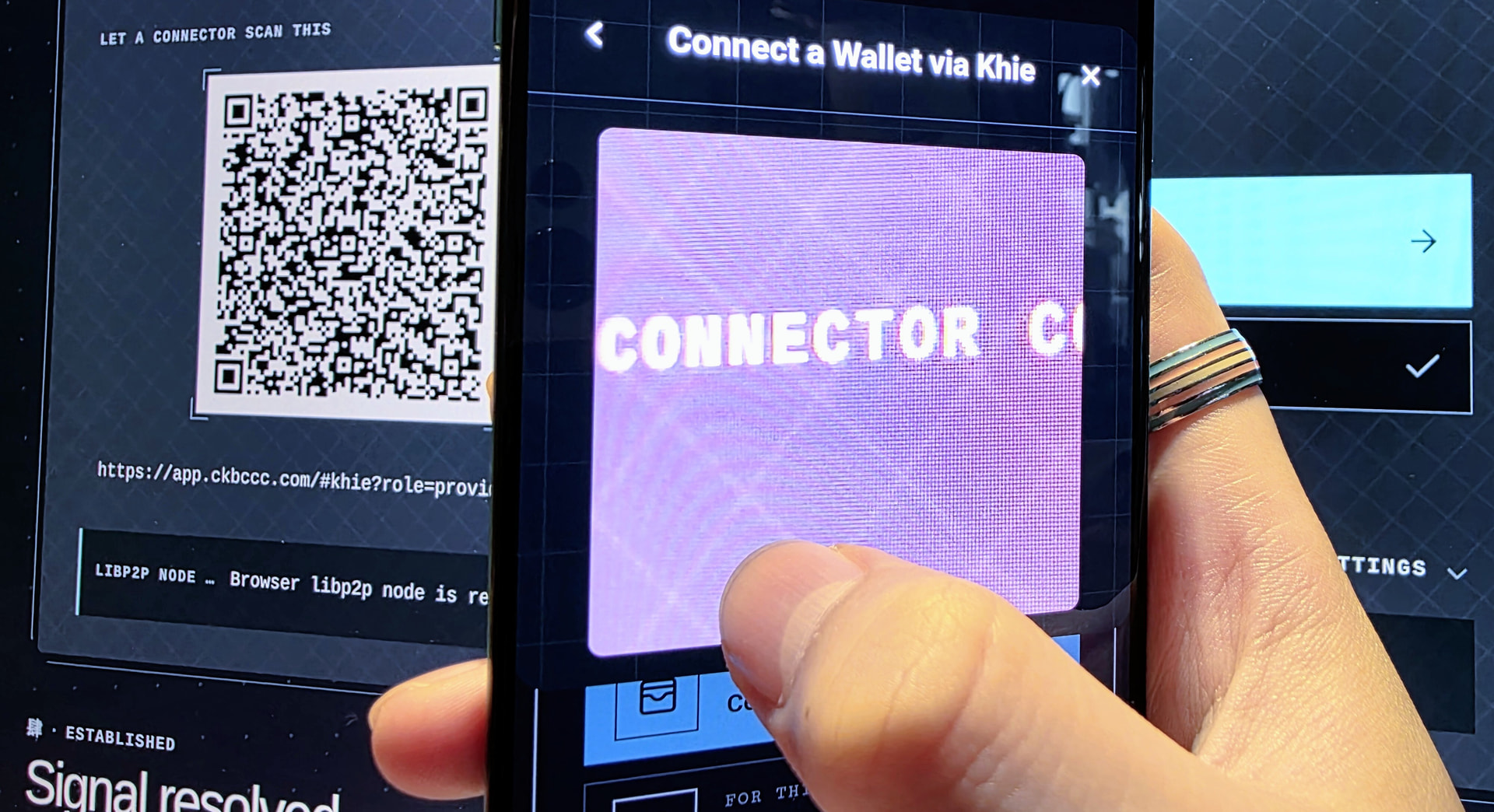

简单、快速、可靠、让你觉得好用,这是 Khie 最重要的目标。虽然对于 P2P 协议来说,想达成这些目标需要付出额外的精力,但我没打算过放弃 P2P。

原因蛮直接的,中心化协议设计简单,却往往涉及更高的维护和运行成本。我不愿在 Khie 面前再筑起成本之墙,细细地盘问通行的开发者;更不想让一个未来无以为继的中心化协议成为信任的鸿沟。

不过,Khie 也不会退回到只使用本地连接。除了比起中心化的方式,本地连接并不一定有更好的安全性和隐私保护之外,它也只能在同设备的基础上划一条小小的边界,和我所期待的 Nervos 上跨平台、跨设备连接的未来相差甚远。

想象通过 Khie,你可以把手机钱包连接到电脑上的 AI 工具,让它帮你操作区块链;也可以在手机游戏里连接托管钱包服务器,免去切换内置钱包的麻烦。正因为是远程连接,开发者发挥创意的自由度,和用户想使用熟悉钱包的需求,才得以相安无事。

所以,与其说是我选择了用 P2P 来实现 Khie,更像 Khie 本身就应当是 P2P 的形态。
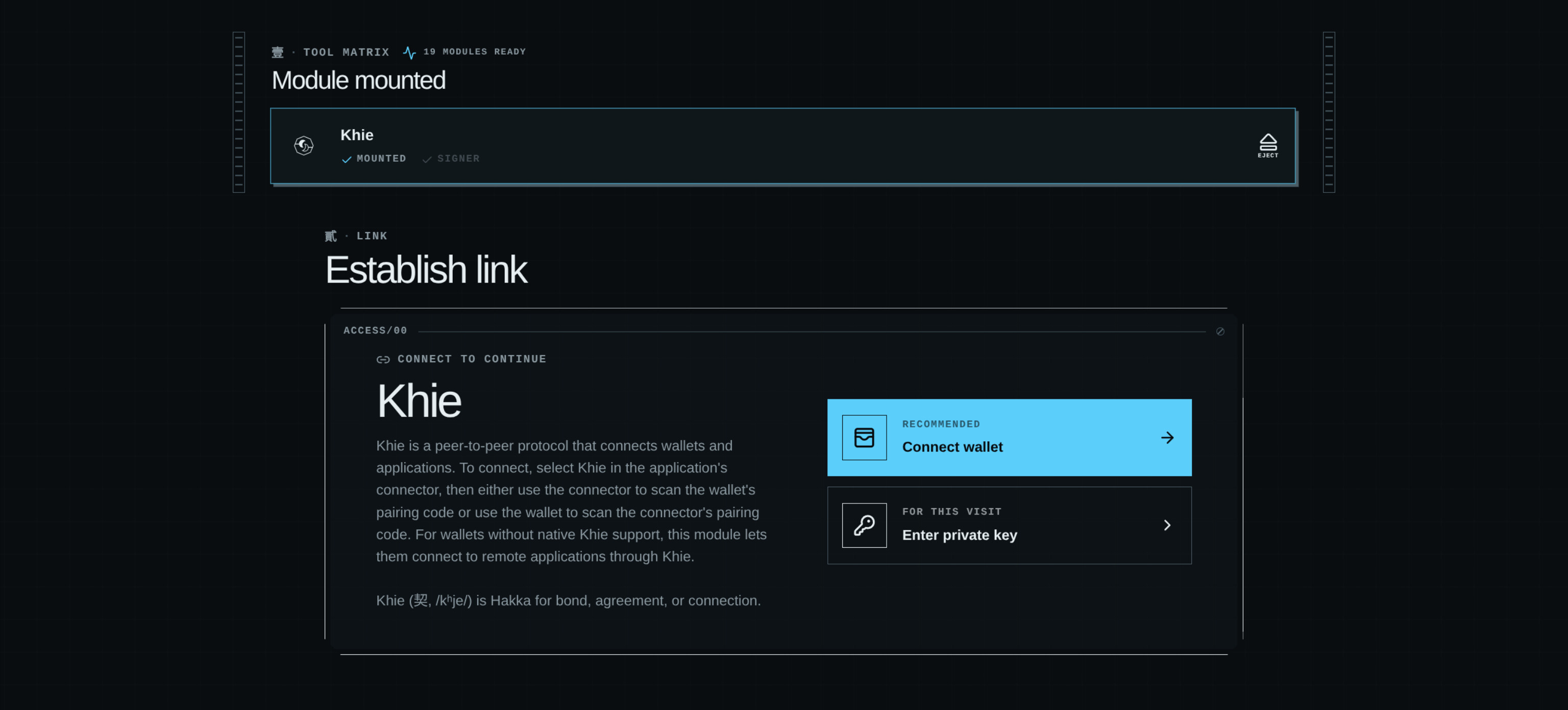

为了让 Khie 看起来更靠谱,我还重做了 CCC App 的视觉效果!

在应用一侧,更新了 CCC Connector 后的应用,比如 NervDAO,会直接支持使用 Khie 连接钱包;但在钱包一侧,事情会更麻烦一些。当下 CCC 接入的钱包有不少都来自其它链,想让它们支持 Khie 我们还需要走很远的路。

不过在原有的连接方式外,你也并非只能换用新的钱包才能使用 Khie。类似曾经的 Portal Wallet,CCC App 中的 Khie 模块也是网页里的「应用型钱包」,你可以使用它来让现有钱包也能通过 Khie 连接其他应用。有了它,所有 CCC 支持的钱包都是 Khie 钱包。
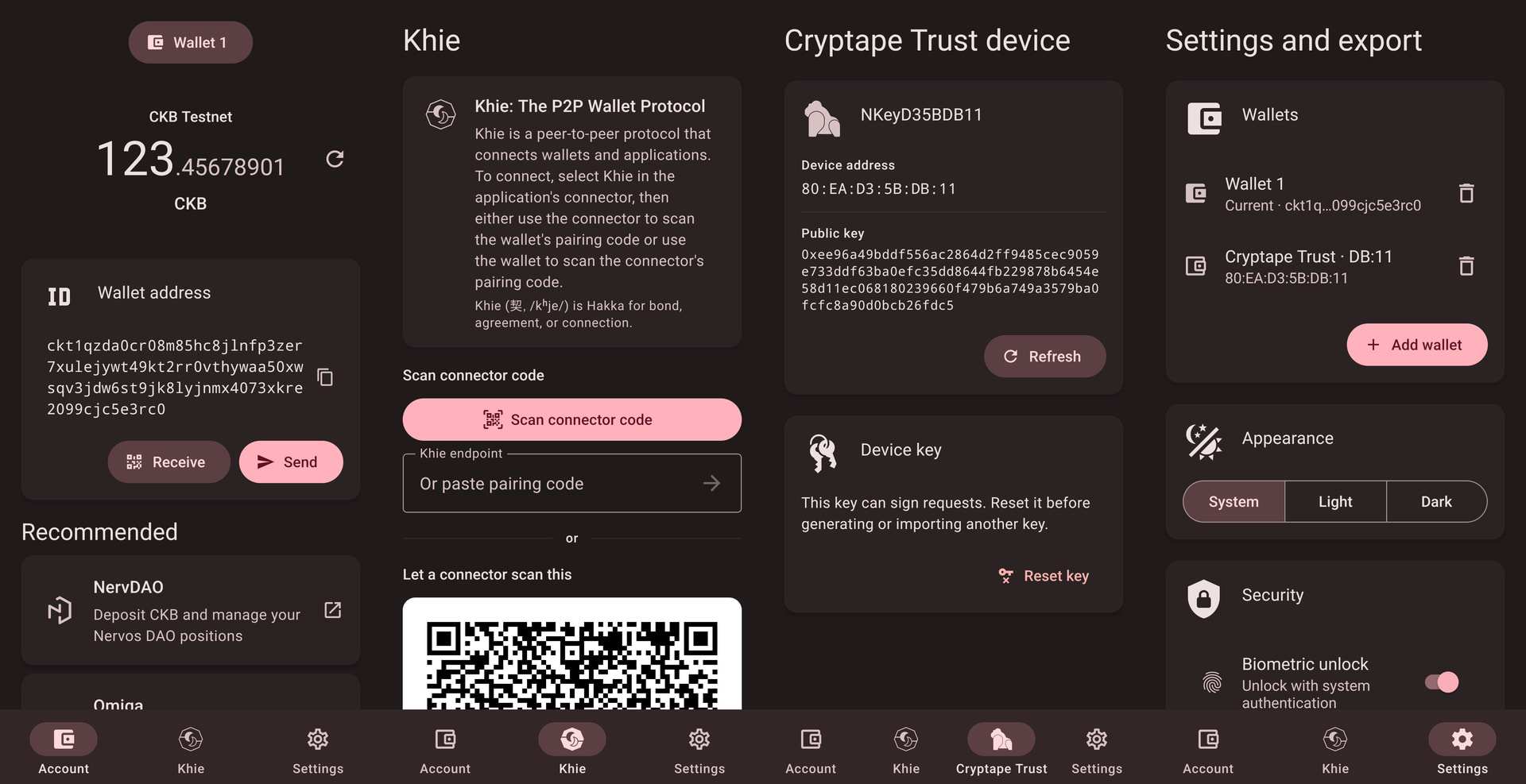
当然,如果你想马上试试看支持 Khie 的钱包会是什么体验的话,我也一不小心让 AI 生成了支持 Khie 的 Android 原生应用钱包。

你不应该对 AI 生成代码抱有完美的期望,但它确实展示了在有 Khie 之后,我认为的钱包开发门槛能降到多低。得益于 Khie 和 React Native 共同划定的实现边界,我能复用大量现有的成果。在不需要从头构建基础设施的条件下,两天的开发时间已经足够我把组件串成可用的钱包。
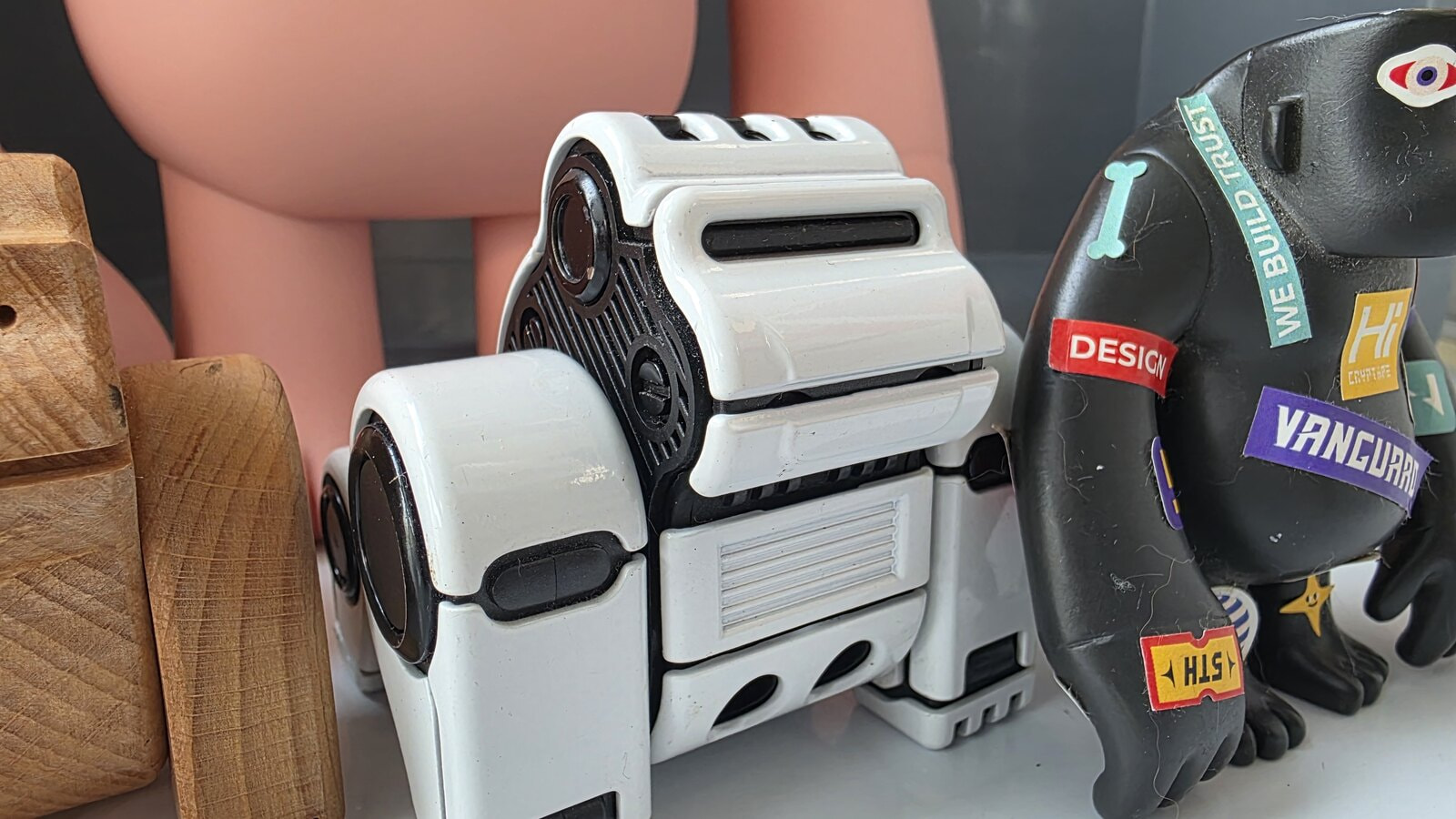
另外,这里还有个来自 Cryptape 的彩蛋!这是个机械猿造型的硬件钱包,大概人们很少知道它曾存在,连创造它的人也就给了它 11 次提交 的时间,停在了成为完整的钱包前。

但它留了一个念头给我,于是我也留了一个念头给它。现在,它通过 Khie 回到了整个生态,就和其它钱包一样活在 CKB 上。


虽然我已经实现了 Khie,但我还得让它回到实验室,整理出最终会安静躺在某个地方的协议文档。我想,钱包和应用才是那些激动人心的事情,Khie 只是在它们中间运作着。

你只需要使用它,然后忘掉它。也许某天你再看到它的图标的时候,会感到一阵安全感:

「它也支持 Khie!」


19 Likes

lol, the logo is such a clever touch.

2 Likes

Just tried NervDAO + CCC App Khie + MetaMask, pairing is fast, hints are clear, the whole flow was super smooth. Great work!

A peer-to-peer wallet connector is something the crypto industry has needed for a long time. The industry is still stuck in the “centralized frontend + web2 page injection” paradigm that MetaMask established. Khie shows that wallets and apps can simply meet each other across devices and platforms, without either side being locked into the browser or dependent on centralized relays.

It’s also an essential abstraction for the local-first and Web5 stack. When apps run on the user’s own devices and don’t depend on any server, they need a way to reach the user’s wallet that doesn’t depend on any particular server either. Khie helps create p2p connections between local-first apps and wallets.

I’m looking forward to seeing Khie mature and gain support from more Bitcoin/CKB wallets. CKB already has an unusually diverse set of wallet designs, it’s well placed to lead this shift for the whole industry.

7 Likes

Love the idea of making wallet connection a P2P layer you set up once and forget. Not needing a centralized relay or browser injection makes cross-device flows, like a phone wallet driving an AI tool on desktop, feel much more realistic. The CCC App module is a smart bridge too, since it makes every CCC-supported wallet a Khie wallet from day one. Reviving the Cryptape Trust hardware wallet through it is a nice touch. Looking forward to the protocol docs and to seeing more wallets adopt it!Love the idea of making wallet connection a P2P layer you set up once and forget. Not needing a centralized relay or browser injection makes cross-device flows, like a phone wallet driving an AI tool on desktop, feel much more realistic. The CCC App module is a smart bridge too, since it makes every CCC-supported wallet a Khie wallet from day one. Reviving the Cryptape Trust hardware wallet through it is a nice touch. Looking forward to the protocol docs and to seeing more wallets adopt it!