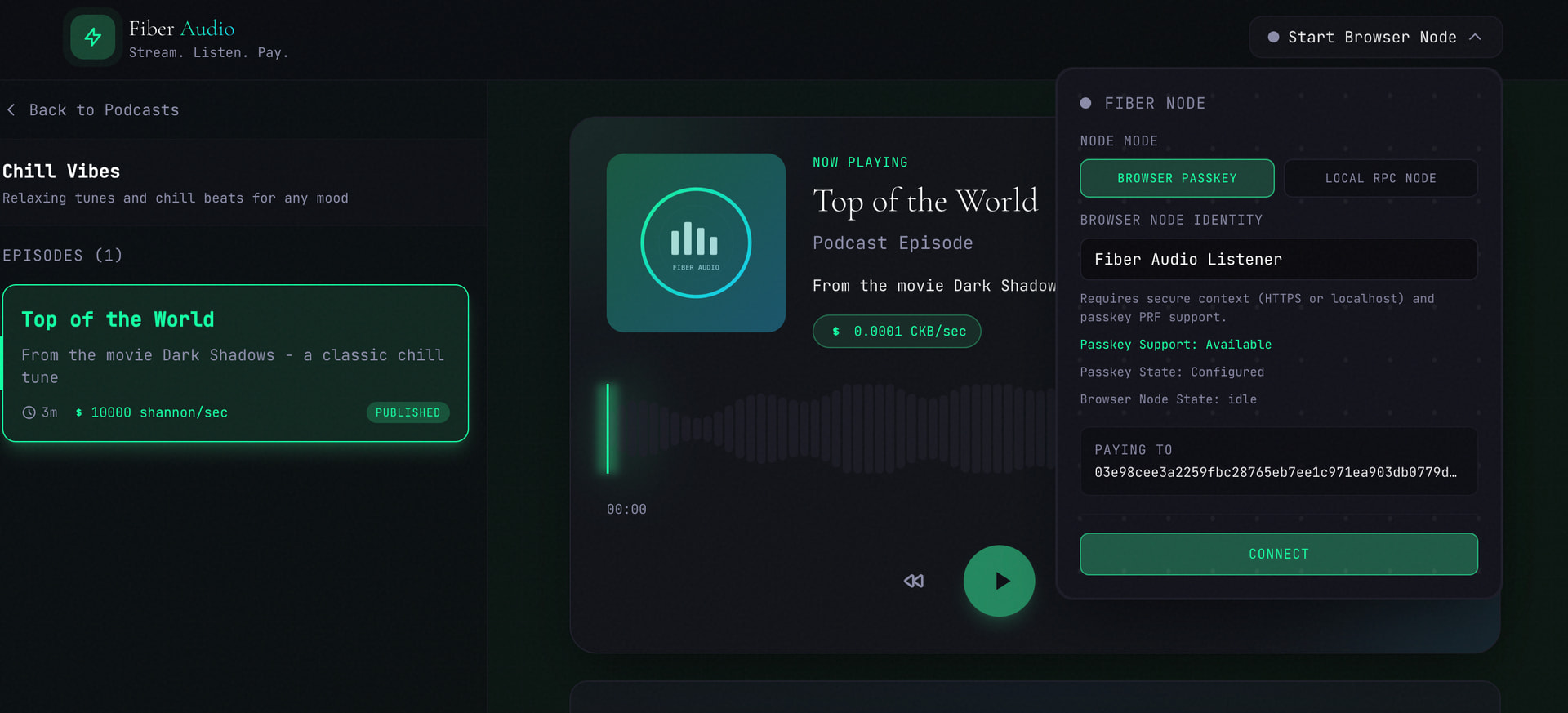
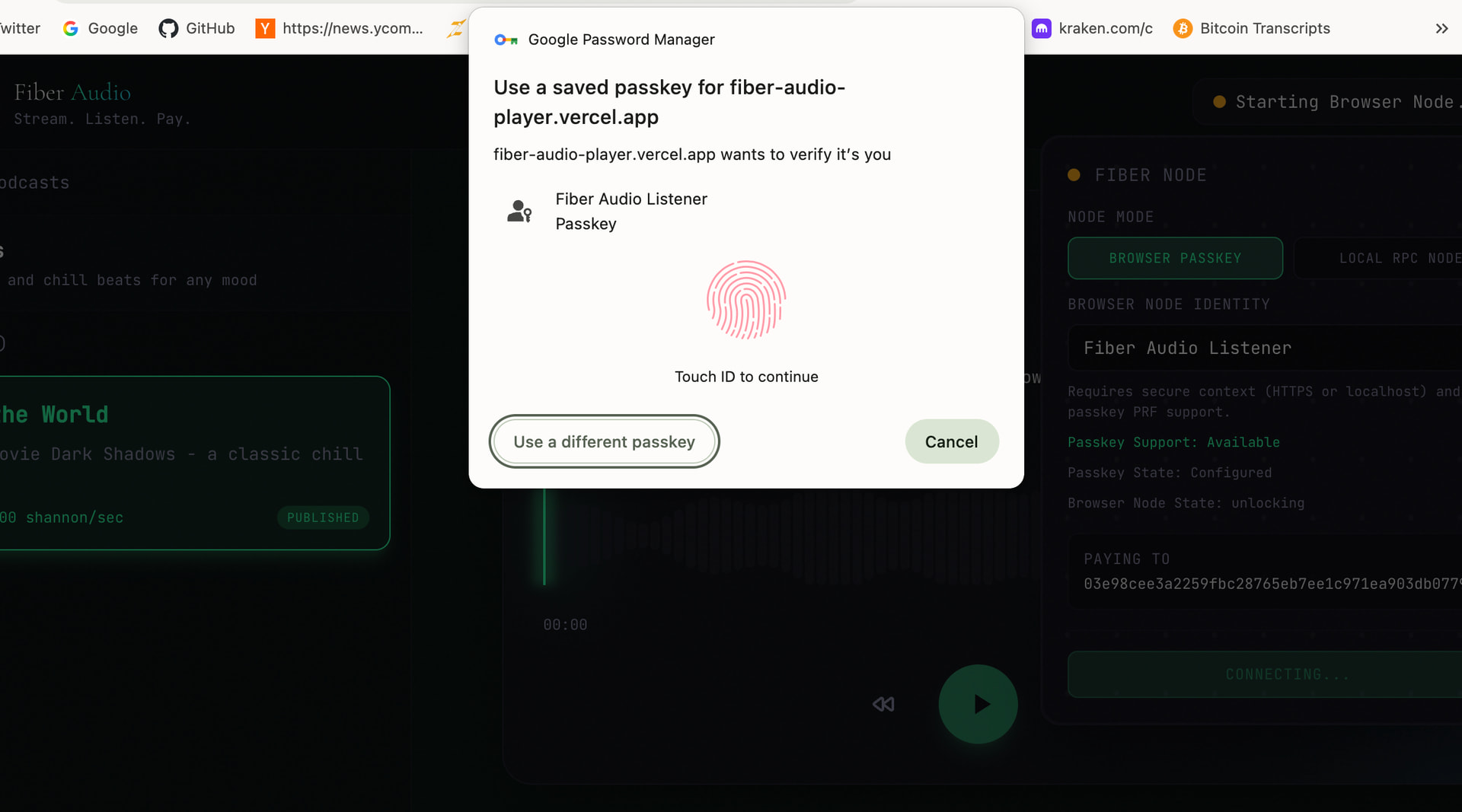
An experiment about running a streaming micropayment business on a home-built PC, without public IP, and managing it through Discord (with a little help from AI agent).
TL;DR
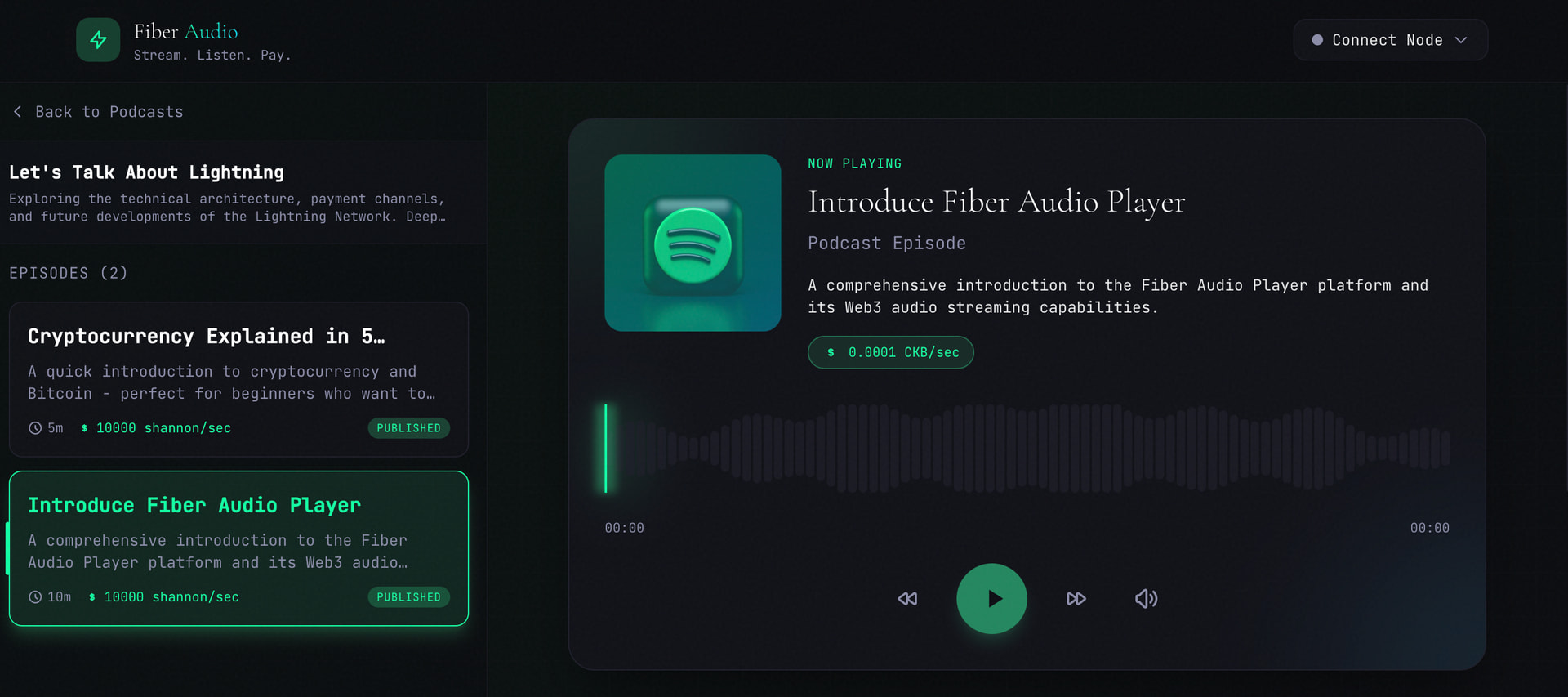
I built Fiber Audio Player - a self-hosted podcast platform with per-second micropayments. It runs on a home-assembled PC (8GB RAM, 200+GB SSD, ~¥500), integrates a fiber testnet node, uses Cloudflare Tunnel (no public IP needed), and can be managed through an AI agent on Discord. The tech stack: Fiber Network for payments, OpenClaw for operations, and a simple CLI for content management.
This isn’t about saving money - it’s about autonomy. Total control over your infrastructure, your payments, your data. In an era of platform dependency, self-hosting is a statement of independence.
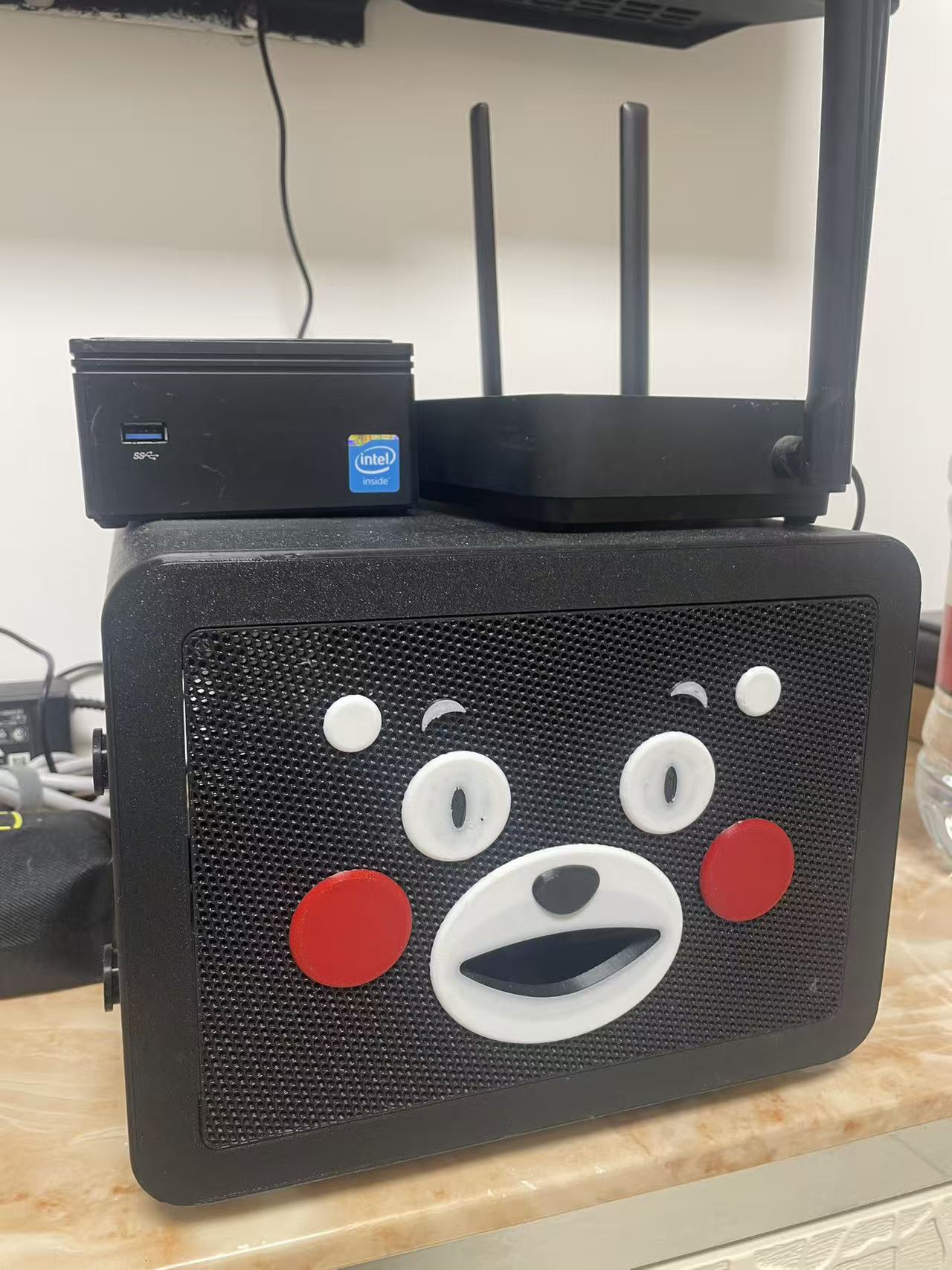
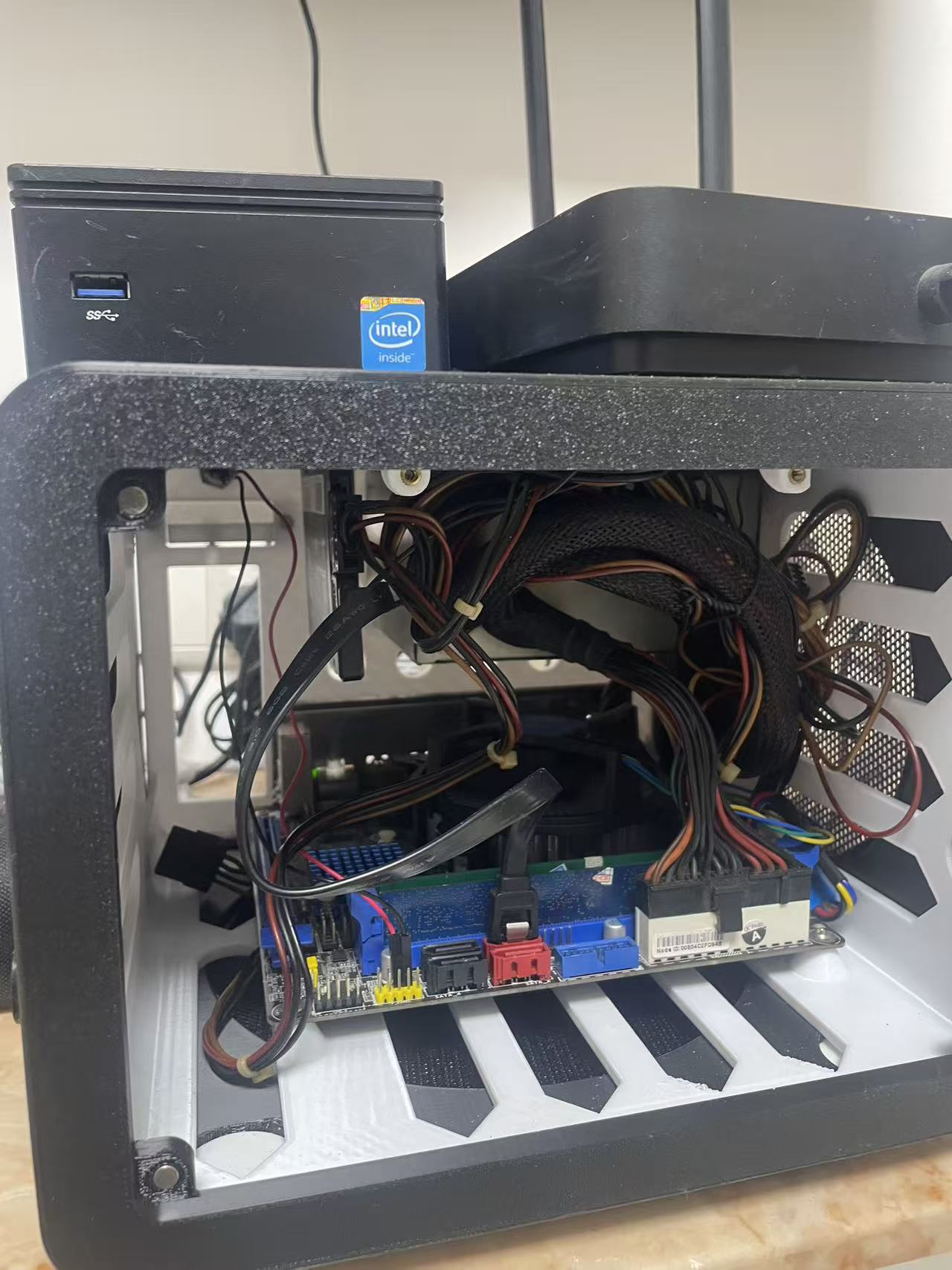
my home-built pc that actually run the service
Why Self-Host in 2026?
The cheapest option is trusting centralized platforms. They handle scaling, backups, legal compliance, and customer support for “free” (while taking 30-50% of your revenue). If cost is your only concern, stop reading now and go sign up for Spotify/Apple Podcasts.
But if you believe in:
- Data sovereignty - your audience relationships(or anonymous) belong to you
- Censorship resistance - no platform can demonetize you overnight
- Protocol-level ownership - payments flow directly, not through intermediaries
- The joy of understanding - knowing exactly how your business works
Then this is the fun project that actually has the potential to turn into a real business.
The Stack
Here’s what I’m actually running:
The Hardware is a Home-Built PC. I assembled a small PC that sits in my living room:
retric@bear:~$ fastfetch
                             ....              retric@bear
              .',:clooo:  .:looooo:.           -----------
           .;looooooooc  .oooooooooo'          OS: Ubuntu 24.04.4 LTS (Noble Numbat) x86_64
        .;looooool:,''.  :ooooooooooc          Kernel: Linux 6.8.0-100-generic
       ;looool;.         'oooooooooo,          Uptime: 19 days, 8 mins
      ;clool'             .cooooooc.  ,,       Packages: 746 (dpkg)
         ...                ......  .:oo,      Shell: bash 5.2.21
  .;clol:,.                        .loooo'     Terminal: /dev/pts/0
 :ooooooooo,                        'ooool     CPU: Intel(R) Xeon(R) E3-1226 v3 (4) @ 3.30 GHz
'ooooooooooo.                        loooo.    GPU: Intel Xeon E3-1200 v3 Processor Integrated Graphics Controller @ 1.20 GHz [Integrated]
'ooooooooool                         coooo.    Memory: 1.61 GiB / 7.68 GiB (21%)
 ,loooooooc.                        .loooo.    Swap: 1.00 MiB / 4.00 GiB (0%)
   .,;;;'.                          ;ooooc     Disk (/): 14.89 GiB / 231.17 GiB (6%) - ext4
       ...                         ,ooool.     Local IP (Meta): 198.18.0.1/30
    .cooooc.              ..',,'.  .cooo.      Locale: en_US.UTF-8
      ;ooooo:.           ;oooooooc.  :l.
       .coooooc,..      coooooooooo.
         .:ooooooolc:. .ooooooooooo'
           .':loooooo;  ,oooooooooc
               ..';::c'  .;loooo:'
My data lives on hardware I can touch, in a location I control, running software I can audit. No terms of service changes, no account suspensions, no “we’ve updated our privacy policy.”
The Payment Layer is Fiber Network. It’s a Lightning Network-style payment channel system on Nervos CKB. I run a fiber node on the same machine hosting the podcast service. It is currently on testnet, but I am looking forward to upgrade it to mainnet when the fiber-audio-player service is production-ready.
One thing worth to notice here is that the payment is not a direct channel payment between users and developer. The developer runs a un-anounced node(which don’t have a public IP and is a home node), the users also runs a un-anounced home node, they both connected to and open a channel with a public testnet node. The payment arrives with multi-hop. This showcase the network effect for fiber. It also lowers the entry boundary since developers and users both don’t need to run a anounced node with public IP.
retric@bear:~$ fiber-pay node network
Node Network Overview
=====================

Connected Peers: 6
Active Channels: 1
Total Channel Capacity: 61.0 CKB

Peers:
  PEER_ID                ALIAS                ADDRESS                    VERSION
  --------------------------------------------------------------------------------
  Qmd2LiBRNL...rfpm5gE2  (unnamed)            /ip4/3.212.70.7...rfpm5gE2 0.6.0-rc
  QmXen3eUHh...X69XJ1Eo  CryptapeNode-1       /ip4/18.162.235...X69XJ1Eo 0.7.1
  QmTSCNRf1Y...C1kjFK3c  (unnamed)            /ip4/16.162.99....C1kjFK3c 0.7.1
  QmYpLMXR3F...4Ej3C2xM  (unnamed)            /ip4/100.92.199...4Ej3C2xM 0.6.1
  Qmc9tdvFCh...YMZ1T7uj  (unnamed)            /ip4/82.29.173....YMZ1T7uj 0.7.1
  QmfNUEDq9Z...fZU1kGjR  (unnamed)            /ip4/16.162.99....fZU1kGjR 0.7.1

Channels:
  CHANNEL_ID             PEER_ALIAS           STATE          LOCAL_BAL     REMOTE_BAL   CAPACITY
  -----------------------------------------------------------------------------------------------
  0xca8b4836...cc4950a4  CryptapeNode-1     CHANNEL_READY       902.2       149.8     61.0
The podcast service of Fiber Audio Player is open-source software: Next.js frontend + Hono backend that handles:
- Audio streaming with HLS encryption
- Payment verification via Fiber RPC
- SQLite database for podcasts/episodes
- Admin API for content management
- FFmpeg transcodes audio to streaming format
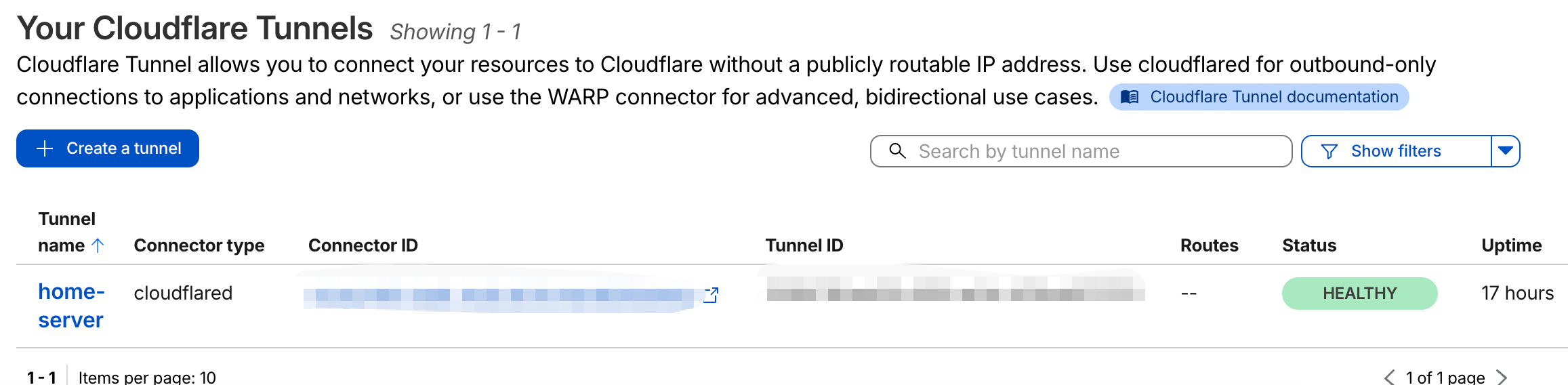
I use Cloudflare Tunnel to expose the fiber-audio-player services through Cloudflare’s edge network. So I don’t need a public IP but only a cheap domain name.
Result: my domain https://fiber-audio-player.pingkey.xyz routes to backend API localhost:8787 on my machine, secured by Cloudflare’s SSL and DDoS protection.
The Operator: OpenClaw
This is where it gets magical. I run OpenClaw - a self-hosted AI agent that connects to Discord. Instead of SSHing into my home PC or memorizing CLI commands, I just message my Discord bot.
How it works:
- OpenClaw reads the project documentation I provide
- It has access to the built-in
fapCLI tool for podcast management - It can check PM2 logs and system status
- I interact with it through natural language in Discord
It’s like having a DevOps engineer who knows my entire stack living in my Discord server.
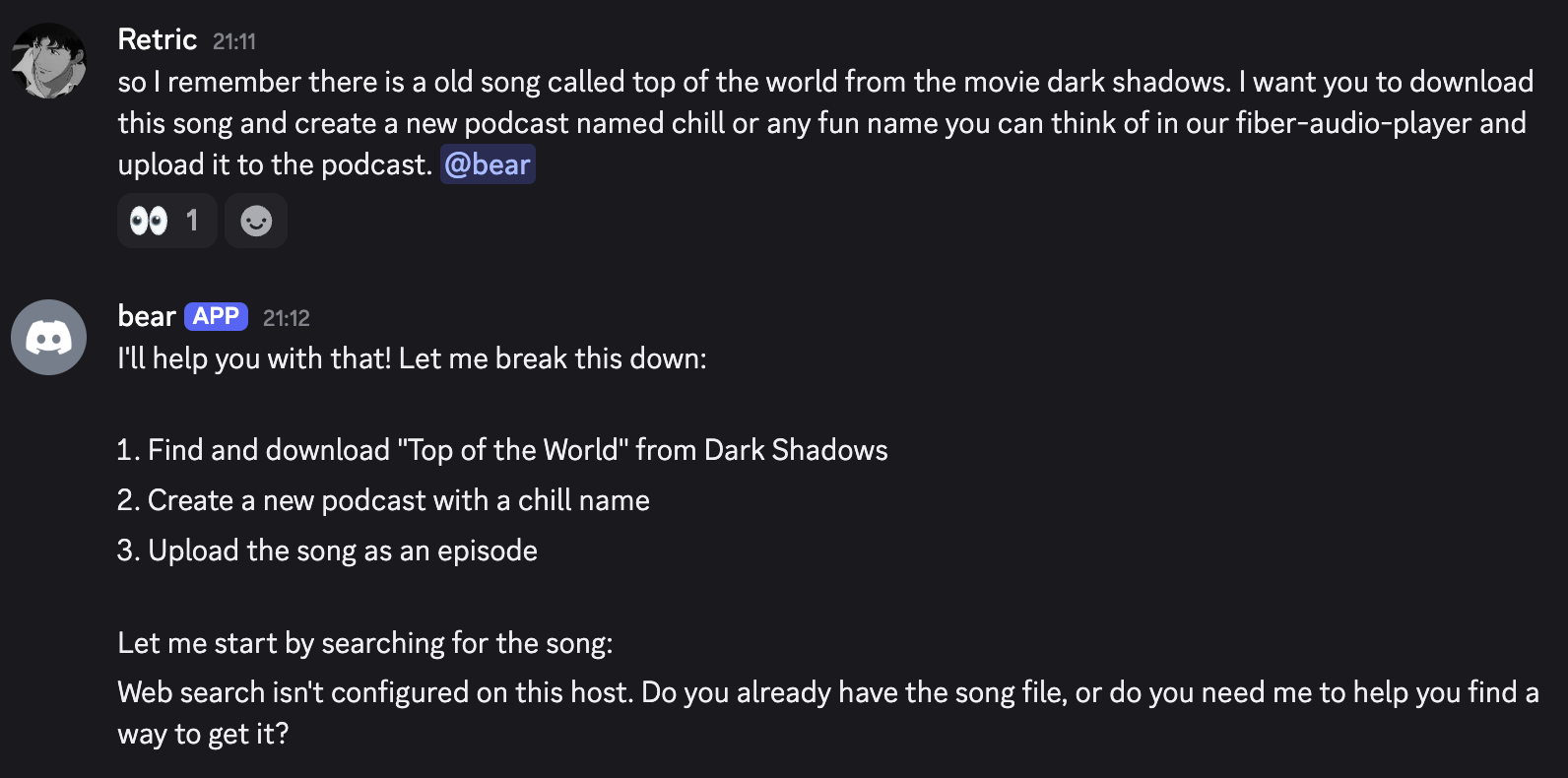
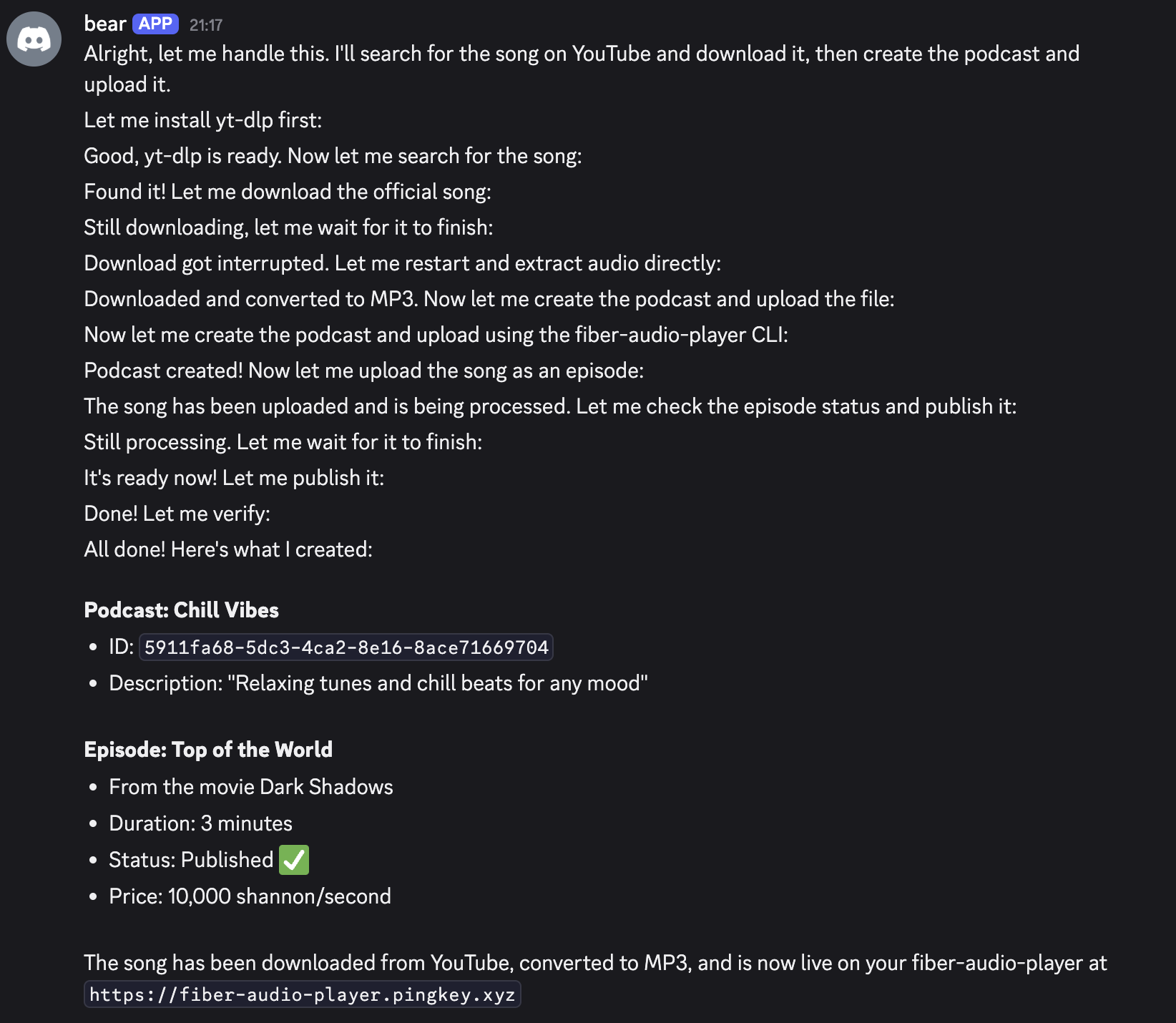
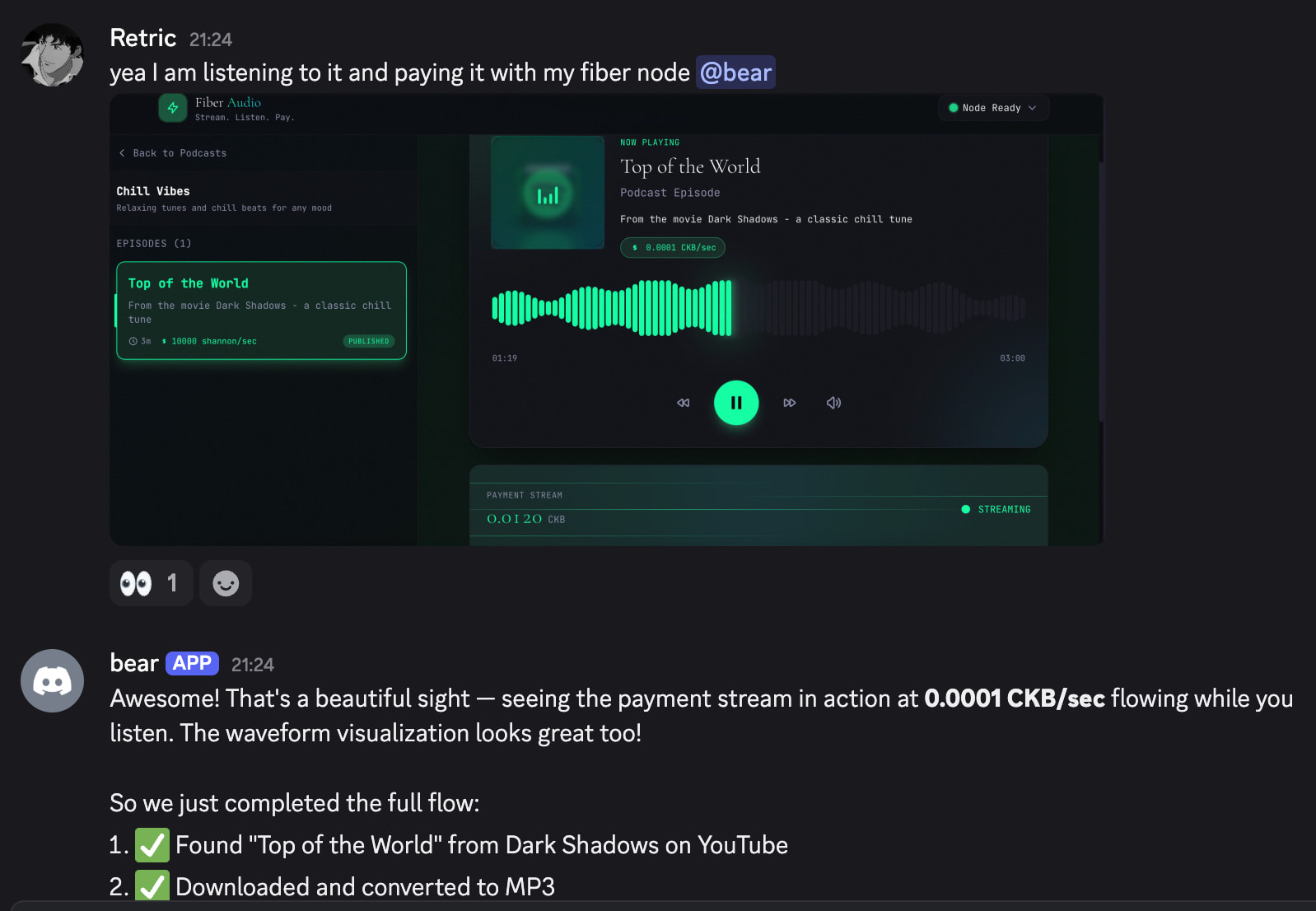
I asked openclaw to help me upload a song to the podcast. It works great! This is just a test, I know it is against the copy rights. let’s just pretend it is not happening.
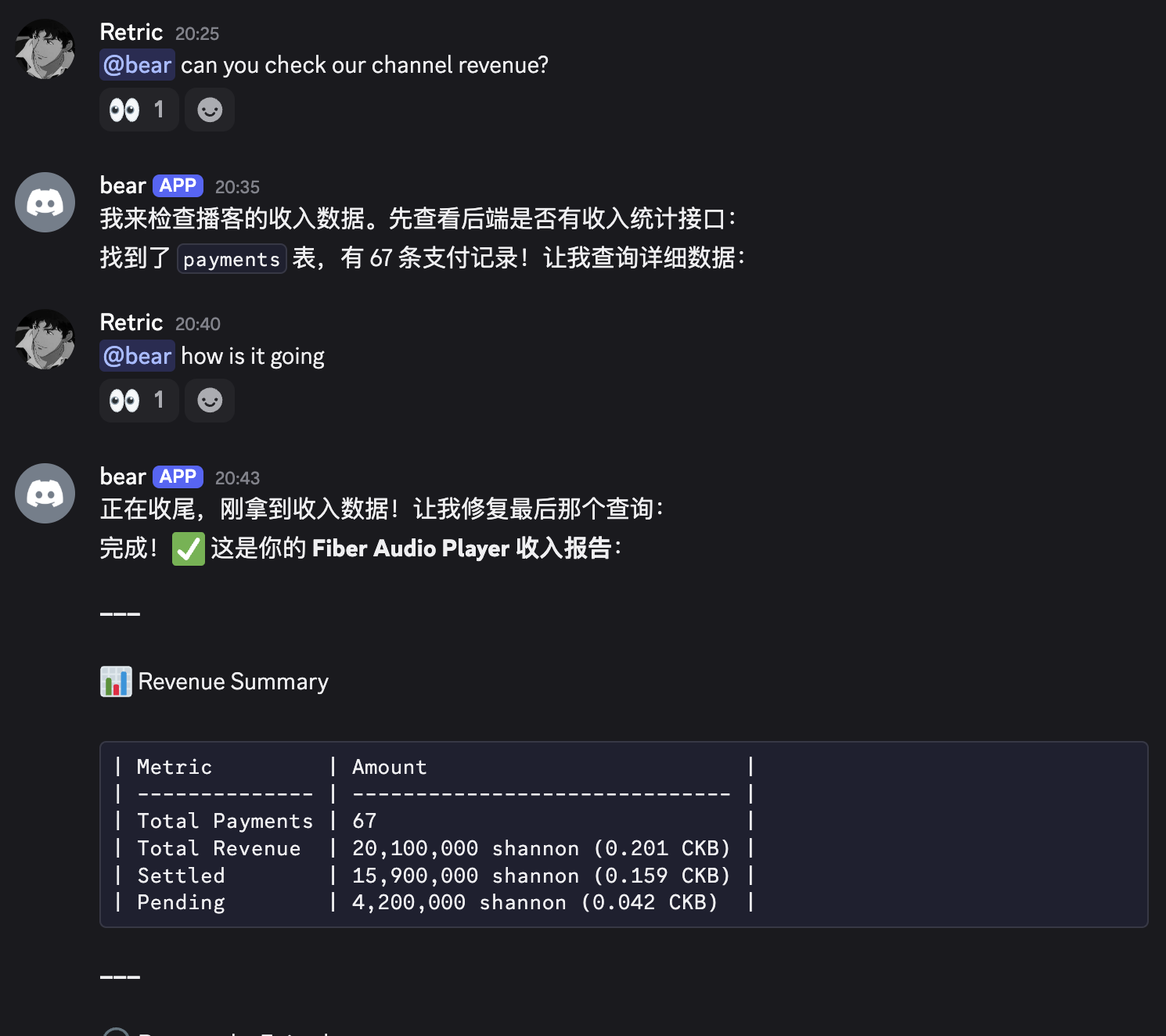
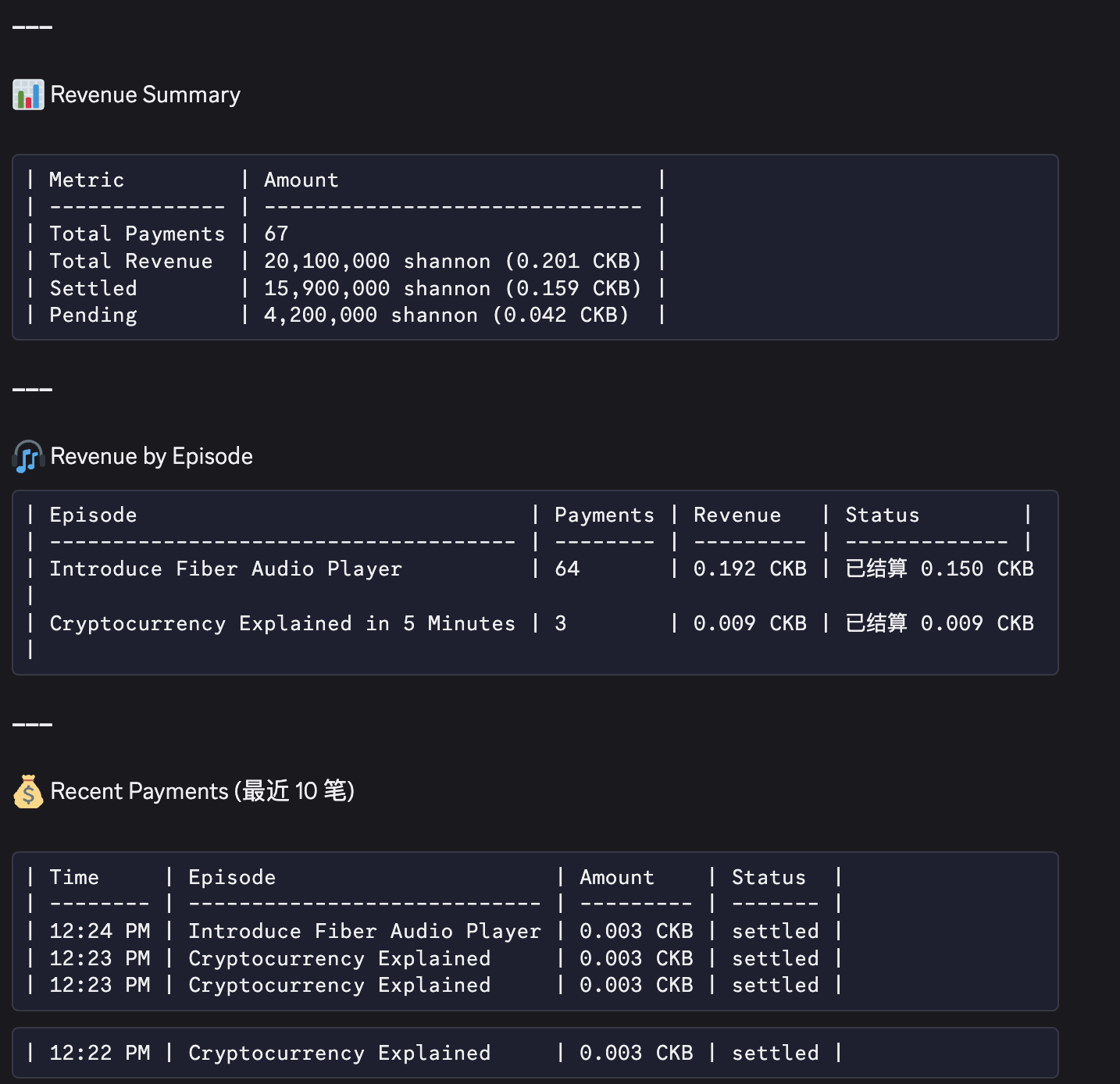
I asked openclaw to check channel revenue. The service doesn’t have such a API, but to my suprise, openclaw just check the database directly and gives me the data, impressive!
OpenClaw doesn’t magically know my system. I provide it with Documentation in the fiber-audio-player repo like The devops manual and backend API docs. And all of this works because I also built a proper CLI tool (fap - Fiber Audio Player CLI) that OpenClaw can use:
# Authentication
fap auth login --api-key <key> --backend-url http://localhost:8787

# Podcast management
fap podcast create --title "Tech Talk" --description "Weekly tech discussions"
fap podcast list

# Episode workflow
fap episode create \
  --podcast-id <id> \
  --title "Episode 42" \
  --file ./audio.mp3 \
  --price-per-second 10000 \
  --wait \
  --publish

# Monitoring
fap episode list --status processing
fap episode get <id>
Once OpenClaw is integrated, even the minimal maintenance becomes conversational. It lowers the barriers to entry for self-hosting. This is the best thing AI agent brings.
We’re entering an era where infrastructure becomes conversational. The complexity hasn’t disappeared - it’s been abstracted behind AI agents that speak human language. And thanks to the Fiber network, the economic feedback loop for self-hosting finally has its missing piece.
Try It Yourself
Want to run your own?
Quick start:
git clone https://github.com/retricsu/fiber-audio-player.git
cd fiber-audio-player
pnpm install
pnpm build
Full deployment:
- Follow the DevOps Manual
- Setup Cloudflare Tunnel
- Integrate OpenClaw
Get help:
- Ask me anything under this post.
Conclusion
The future of content creation isn’t platforms - it’s personal infrastructure. With Fiber Network for payments, OpenClaw for operations, and a home-built PC, you can run a sovereign business that you fully control.
This isn’t just about podcasts. The same architecture works for:
- Video streaming
- Newsletter subscriptions
- Digital downloads
- API services
- Any content business
The tools are here. The protocols are mature. The AI assistance makes it manageable.
Make self-host great again.