From a CKB Transfer to a Fiber Payment
By FidelCoder |
16 October 2026 · 10:00 AM–3:30 PM EAT · Zone01 Kisumu Campus, Kenya
Event announcements and coverage
-
Venue preview (posted one day before): Umojaverse on X: "Kisumu, take a look at tomorrow’s playground Today, it’s a venue. Tomorrow, it’s YOU, laptops open, questions flying, and builders meeting builders. @NervosNetwork @Zone01Kisumu who’s pulling up? Get in the room https://t.co/khDmxipeRR" / X
-
Event-day announcement: Umojaverse on X: "Kisumu @NervosNetwork is here, let's build on CKB! CKB Builders Workshop: CKB fundamentals + Fiber payments + live demos. Fri 16 Oct 2026, 10AM-3:30PM EAT 📍 Happening at @Zone01Kisumu Campus Register: https://t.co/khDmxipMHp" / X | Umojaverse on X: "Kisumu, let’s make CKB real. Meet @NervosNetwork at @Zone01Kisumu for live demos, fresh ideas, and builders getting hands-on. CKB Builders Workshop Fri, 16 Oct 2026 · 10AM–3:30PM EAT Be in the room: https://t.co/khDmxipeRR" / X
-
TikTok: TikTok - Make Your Day
-
LinkedIn: #ckb #umojaverse | Umojaverse | Kisumu, let’s make CKB real. Meet @NervosNetwork at @Zone01Kisumu for… | Umojaverse
-
Instagram: https://www.instagram.com/p/DerpAAwCfKs/?rpxt=bWo2bTN4ZXF6ZTYy | https://www.instagram.com/reel/DeqkKeFgJDe/?exln=ODVzaGE5eWZhMW5q
-
Photo album (Google Drive): Highlights – Google Drive
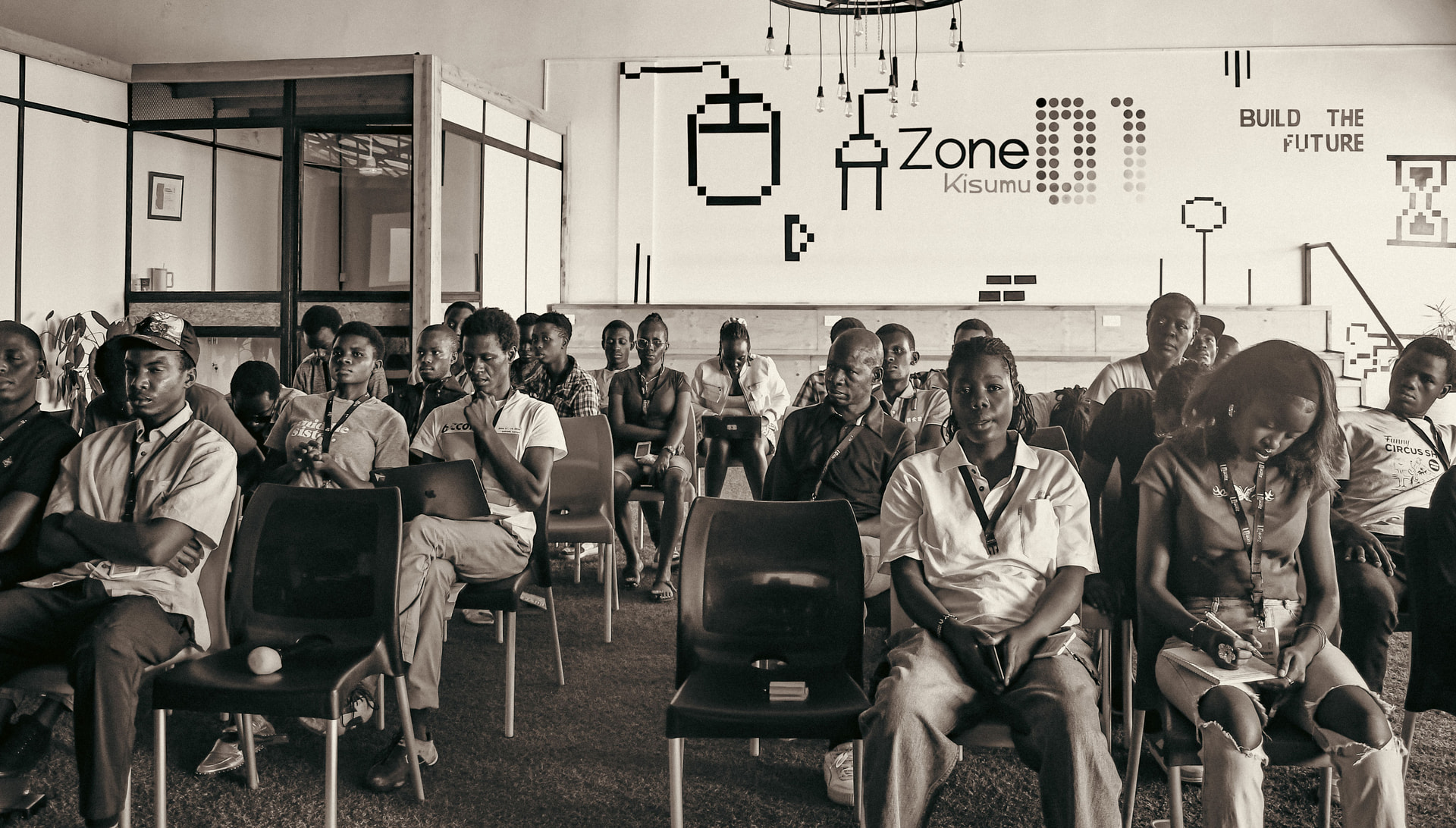
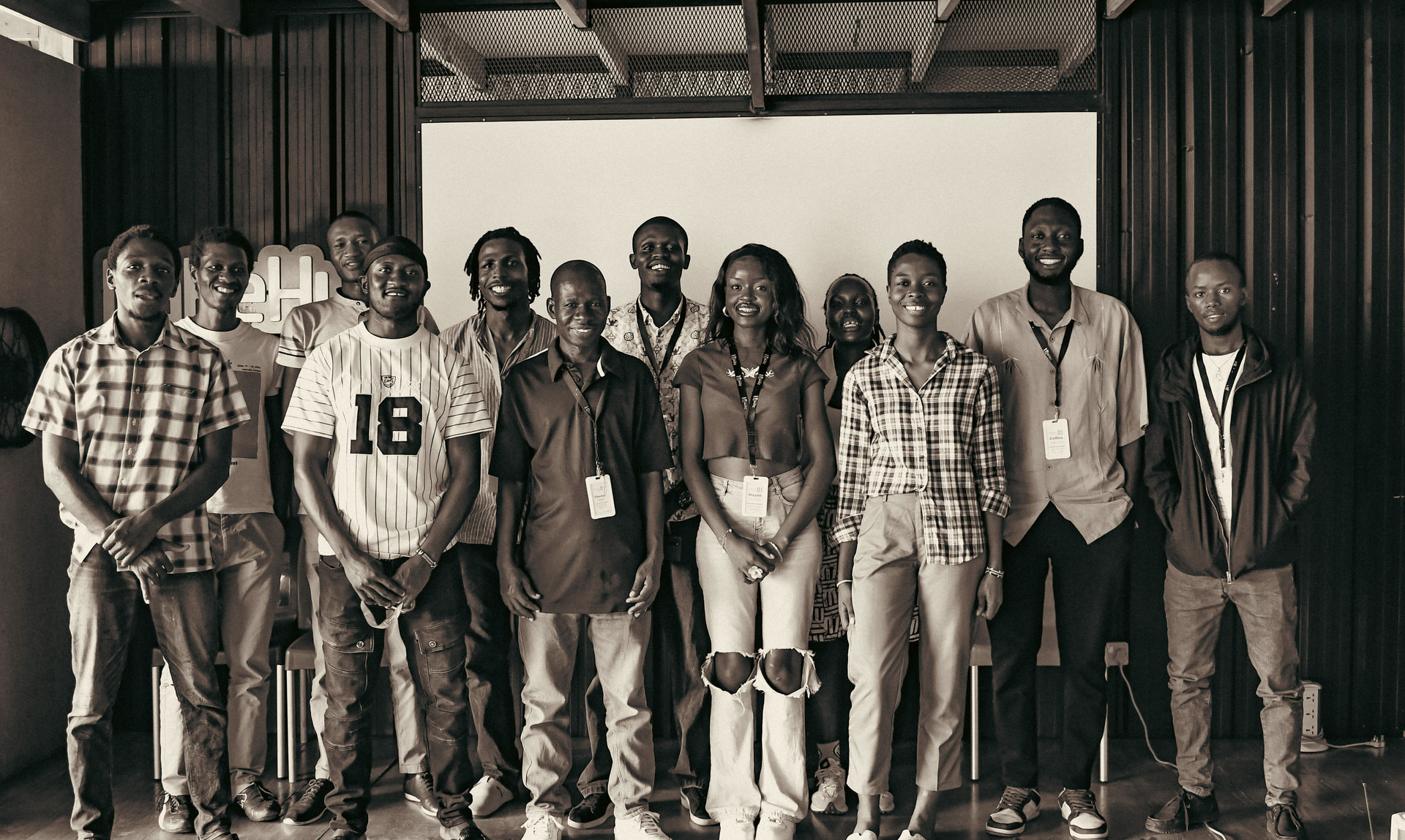
Kisumu’s first CKB Builders Workshop brought 37 people into the room from 70 RSVPs. Eleven arrived with laptops ready for hands-on building, around 17 brought notebooks and pens to work through the sessions, and every attendee had a smartphone. That turnout is a meaningful starting point for a local builder community, and a reason to invest in what comes next.
The event at a glance
-
RSVPs: 70
-
Attendees: 37
-
RSVP-to-attendance rate: 52.9%
-
Builders ready for hands-on work with laptops: About 11 (30% of attendees)
-
Builders following sessions with notebook and pen: About 17 (46% of attendees)
-
Attendees with smartphones: 37 (100%)
Why this workshop mattered
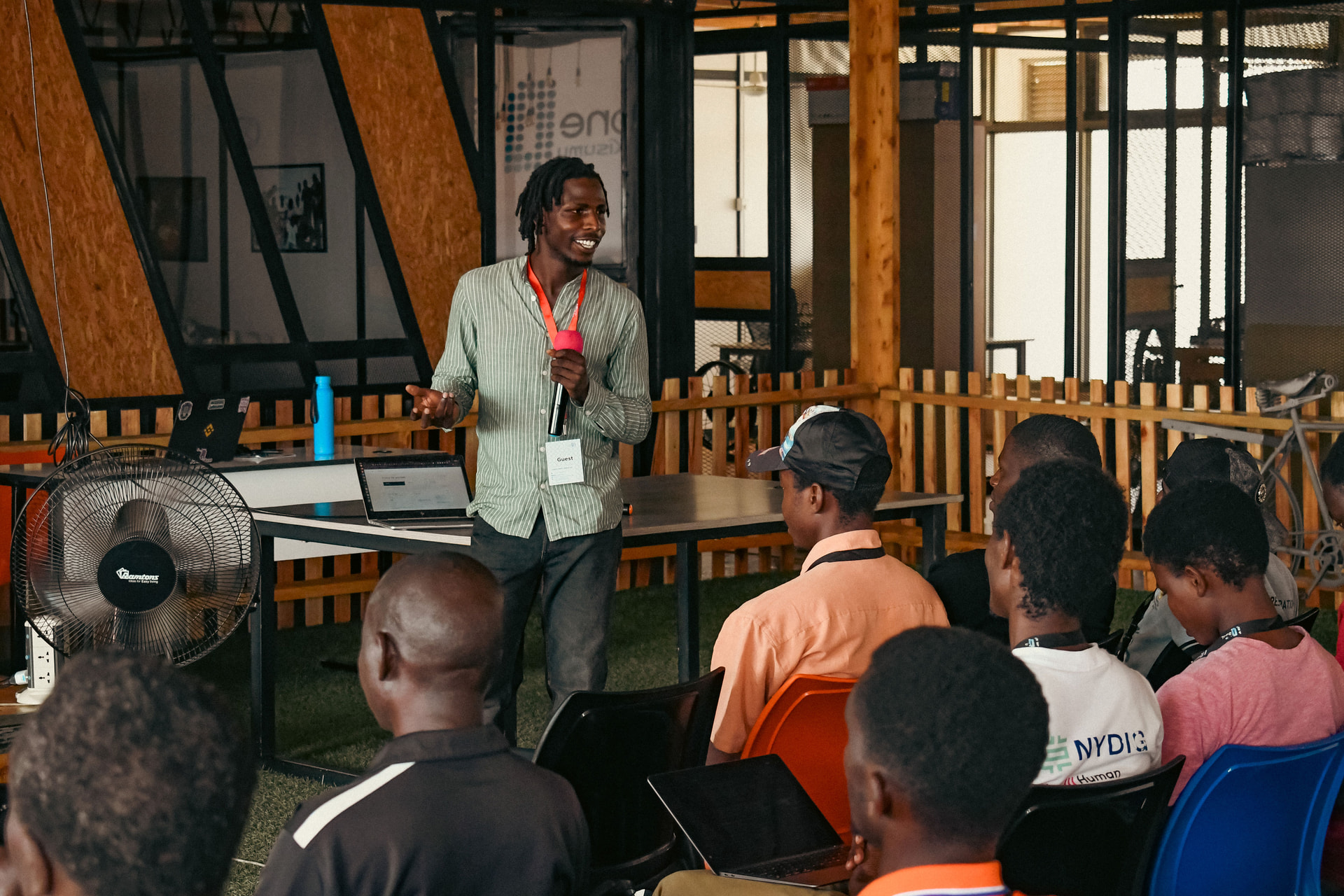
This was the first CKB workshop in the Kisumu region. It created a first local point of contact for developers and community builders to encounter CKB and Fiber through practical examples. The workshop built from familiar programming knowledge into CKB’s Cell model, a working transaction and Fiber’s invoice flow, making the ecosystem concrete for people who had not built on CKB before.
The 37-person turnout, including builders who arrived ready to work with laptops and participants who followed the sessions with notebook and pen, shows there is a strong base for continued technical learning in Kisumu. Every attendee had a smartphone, giving the group a shared way to stay connected to digital tools and follow-up activities. For an ecosystem working to grow beyond established developer hubs, that level of participation matters: it brings new builders into the conversation and creates a foundation for discovering and supporting products being built locally.
The workshop also connected technical learning to product judgement. Participants examined not only how a payment is submitted, but what evidence a merchant should check before marking an order paid. That connection between infrastructure, developer skills and real customer experience is important for builders who want to create useful applications on-chain and off-chain.
What we covered
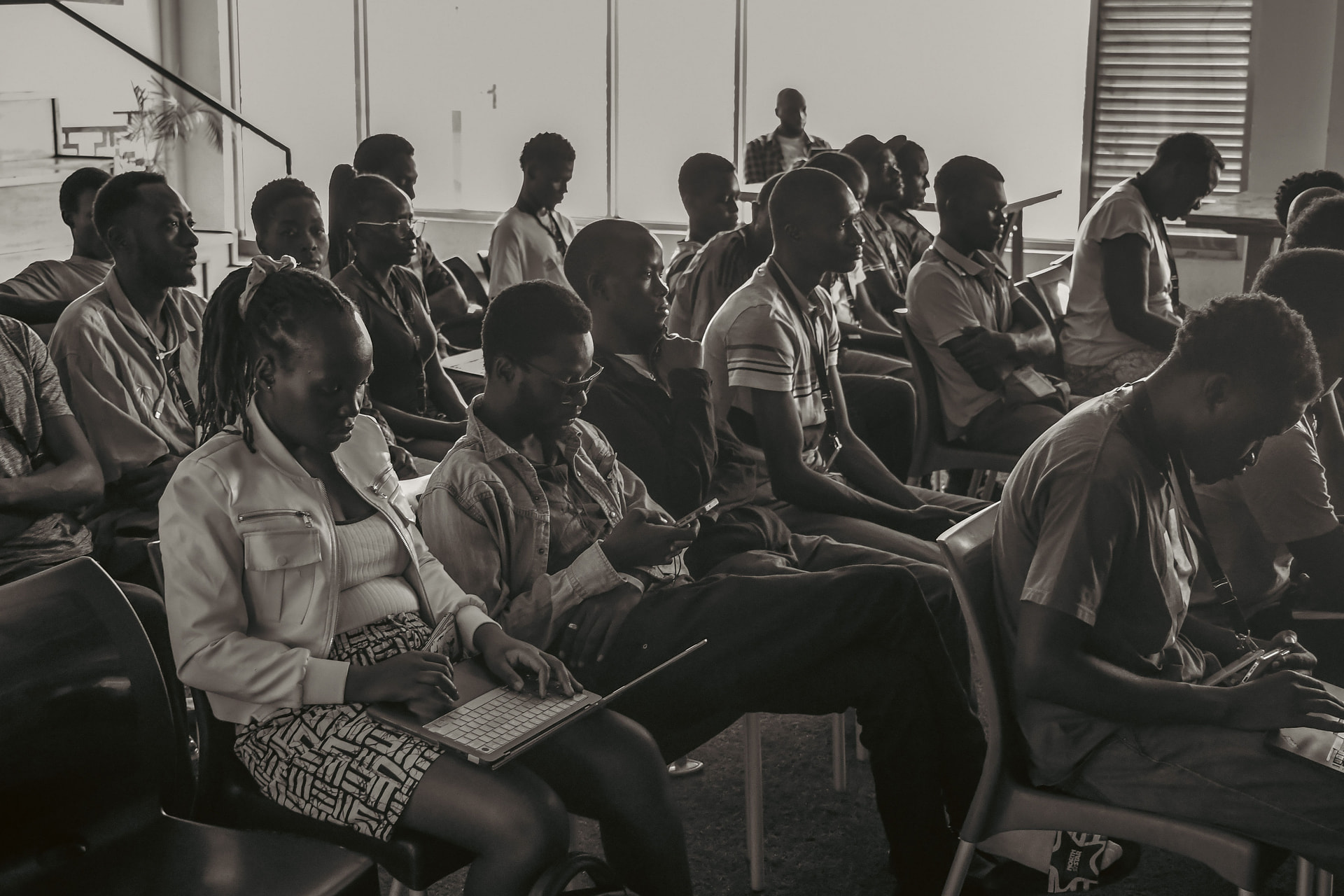
We designed the sessions for developers who can learn technical material but may be encountering CKB for the first time. The workshop moved from fundamentals into practical code and product decisions:
-
CKB and the Cell model: how Cells hold capacity, how lock scripts control spending, and how transactions consume existing Cells and create new ones.
-
A CKB transfer: using CCC with a prepared OffCKB local development network to construct, sign, submit and inspect a transaction, including its inputs, merchant output, change and fee.
-
Fiber payments: how funds are committed to a payment channel on CKB, how channel balances update off-chain, and how a merchant invoice is created, paid and checked.
-
Checkout design: what the customer and merchant should see when an invoice is created, a payment is pending, a payment fails or the merchant confirms payment.
-
Builder next steps: reproducing the examples, improving documentation or reporting a reproducible bug, and continuing the merchant-checkout idea on testnet.
Panel discussion: when should checkout show “Paid”?
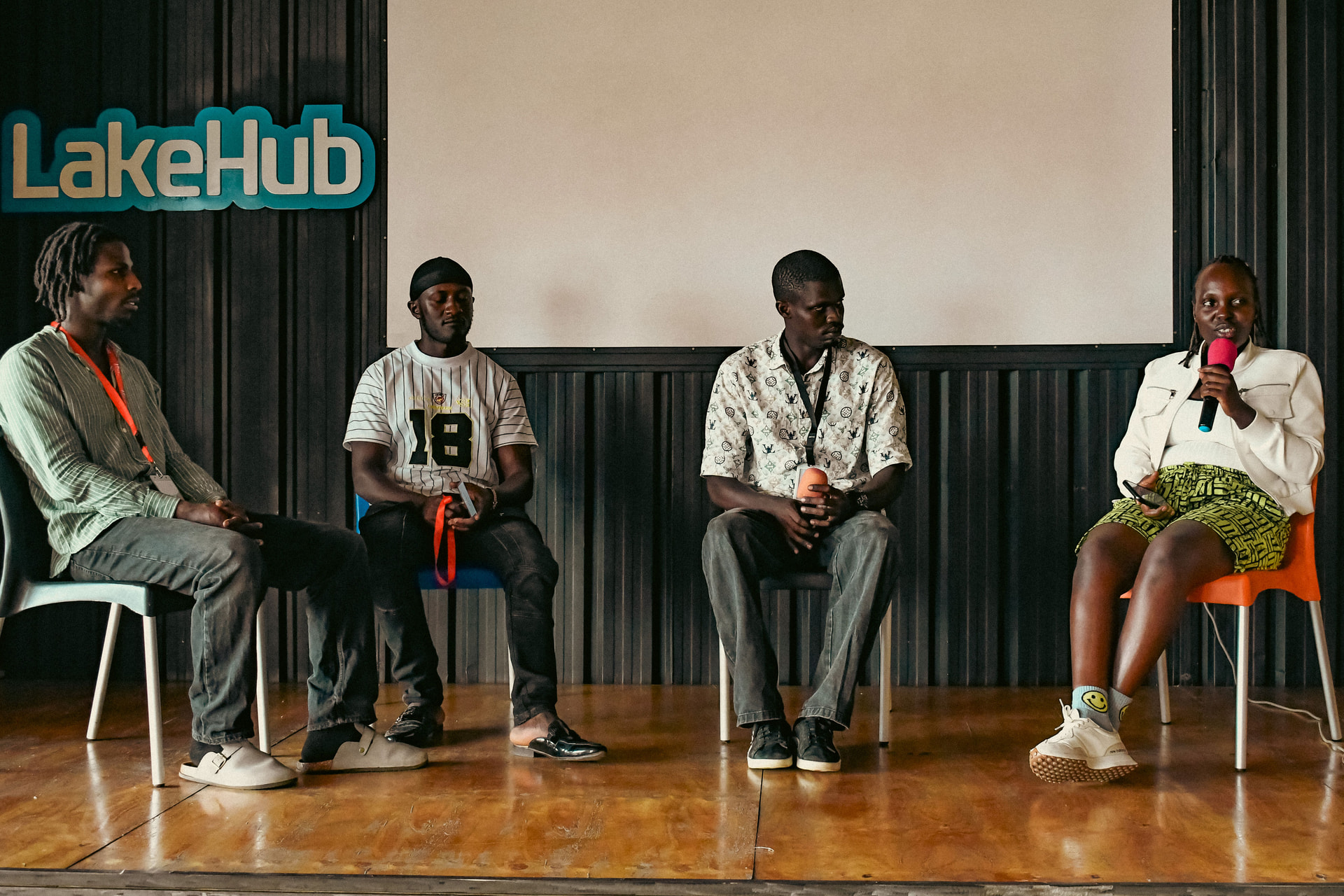
The panel discussion drew active participation, with attendees asking questions and engaging with the speakers. The conversation centred on the payment flow demonstrated during the workshop: what confirmation a merchant needs, how a checkout should represent a pending or unsuccessful payment, and what evidence should be checked before an order is marked paid. Audience questions brought practical developer and merchant perspectives into the discussion.
What’s next: CKB Productathon
The workshop created a foundation for continued product building in Kisumu and across Kenya.
Kisumu and other parts of Kenya already have ambitious builders working on products on-chain and off-chain. The next step is the CKB Productathon, a programme for early-stage products, products ready to scale and promising new projects with the potential to become startups.
The Productathon is intended to carry teams beyond a coding sprint or an MVP. It would help them validate real user needs, improve and test their products, and plan for pilots, growth and long-term sustainability. I’m seeking CKB ecosystem support to shape and deliver this next step, including technical mentorship and practical support that helps teams continue after the programme. I welcome a conversation with CKB about developing the format, timeline and outcomes together.
Acknowledgements
I’m grateful to the Zone01 Kisumu team for their support and partnership, and to the speakers, facilitators, learners and community builders who made the workshop possible.
Organiser and report author: FidelCoder